A decade later: India's high-stakes demonetization leaves lasting questions
Ten years after India's surprise cash ban shook the nation, experts argue the policy failed to curb black money while severely harming vulnerable populations and the informal economy.
 🌍World
Photo: DW (EN)
Key points
- India invalidated 86.9% of its circulating currency in November 2016.
- Over 99% of the withdrawn cash eventually returned to the banking system.
- The policy caused severe economic distress without significantly reducing illicit wealth.
In November 2016, Indian Prime Minister Narendra Modi announced the sudden withdrawal of 500- and 1000-rupee banknotes, invalidating nearly 87% of the nation's currency in circulation overnight. Framed as a historic sacrifice to eradicate corruption, counterfeit money, and illicit wealth, the move triggered widespread panic as millions rushed to exchange their savings.
The sudden cash shortage heavily disrupted small businesses, daily wage earners, and rural communities lacking immediate access to banking services. Economists noted that the government fundamentally misunderstood how illicit wealth is accumulated, as most black money is stored in real estate, gold, and offshore assets rather than physical cash.
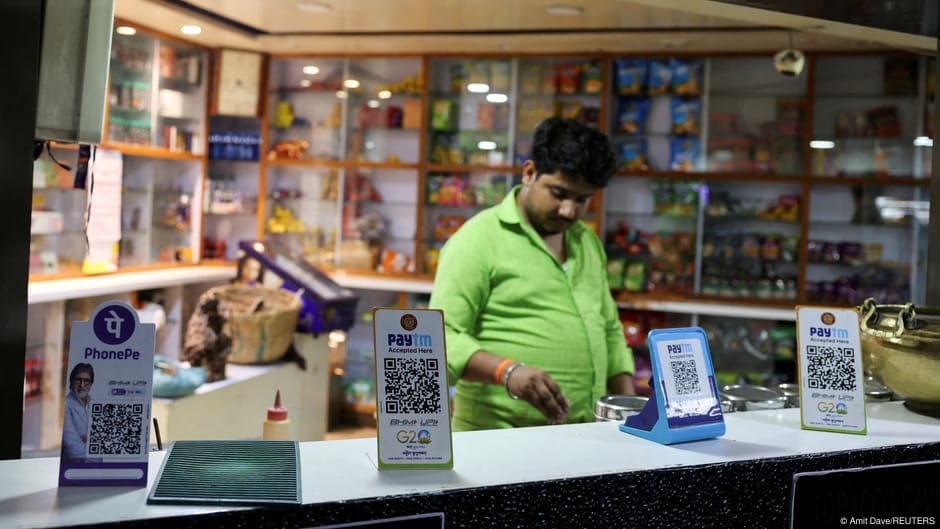
By 2018, the Reserve Bank of India reported that 99.3% of the demonetized currency had returned to the banking system, undermining the core premise of the policy. Although digital payment systems like UPI have expanded dramatically over the past decade, total physical currency in circulation has continued to grow rather than decline.
Independent analysts conclude that the massive economic shock produced only modest gains regarding its original objectives. The legacy of the policy remains defined by severe hardships imposed on the working poor and ongoing debates over economic accountability.
Source DW (EN) — dw.com/en/india-s-demonetization-10-years-on-promises-remain-unfulf… ↗
Read next
 🛡️War & Security
Russian command threatens officers with assault duty due to falsified frontline reports
Due to discrepancies between the actual situation on the Zaporizhzhia front and reports submitted to senior leadership, Russian officers are facing threats of being sent …
 ⚖️Law & Anti-corruption
Estonian Supreme Court bans smartphone voting for elections
The Estonian Supreme Court has blocked plans to introduce mobile voting apps, citing cybersecurity risks and the lack of state control over private app stores.
 🇺🇦Ukraine
Ukrainian defense industry produces over half of artillery shells for the front
Rheinmetall CEO Armin Papperger stated that Ukrainian facilities now manufacture more than 50% of the artillery ammunition used by the Defense Forces.
 🇺🇦Ukraine
Russian army attacks Kremenchuk with drones: casualties include children
On the evening of November 27, Russian forces launched a drone strike on Kremenchuk in the Poltava region. Four civilians were injured, including three children.
 ⚖️Law & Anti-corruption
NABU Director Semen Kryvonos responds to criticism over skipping parliamentary commission hearings
Semen Kryvonos explained his absence from the Verkhovna Rada's temporary investigative commission hearings by citing foreign business trips and alleged pressure on anti-c…
 🇪🇺Europe & EU
Remains of Polish Army soldiers killed in 1939 reburied in Lviv region
A ceremony was held in the Lviv region to rebury 115 Polish Army soldiers who died during the 1939 defense of Lviv.