Argentina bans central bank from printing money to fund government
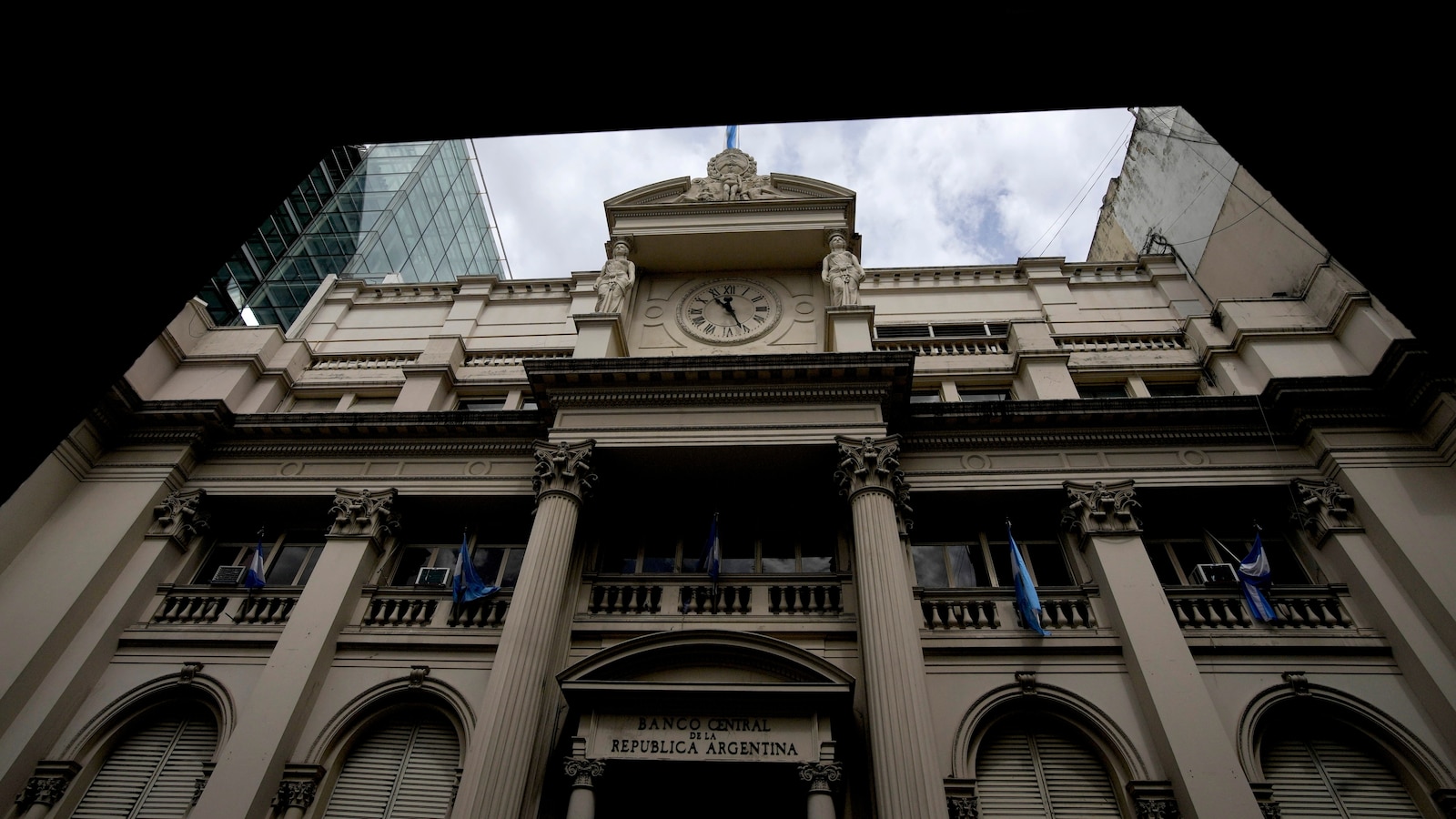
Argentina's Congress has passed a law prohibiting the central bank from issuing currency to cover government spending, marking a significant shift in President Javier Milei’s economic policy.
 🌍World
Photo: ABC News — International
Key points
- Ban on printing pesos for government spending
- Central bank mandate narrowed to currency stability
- Argentina officially enters recession
- Legislative push to suspend mandatory primaries
The Argentine Congress has voted to restrict the central bank from printing money to finance government expenditures. This legislative move serves as a cornerstone of President Javier Milei’s strategy to curb chronic inflation and restore stability to the peso.
A shift in monetary mandate
For decades, Argentine administrations relied on the central bank to bridge budget gaps, a practice that frequently triggered currency crises and hyperinflation. Under the new charter, the bank's primary mission is strictly defined as preserving the value of the peso, with a total ban on lending to the Treasury. Previous mandates related to economic development and employment have been removed from the bank's charter.
While the government has successfully reduced annual inflation from nearly 300% earlier this year to 33% last month, the country is currently facing an economic downturn. Official data confirms that Argentina has entered a recession, with manufacturing and retail sectors experiencing significant contractions.
Political challenges ahead
Beyond monetary reform, President Milei is seeking to suspend mandatory primary elections, a move criticized by the Peronist opposition as an attempt to manipulate the electoral process. As investor confidence fluctuates, the potential for a political reversal of these market-friendly reforms remains a central concern for international markets.
Read next
 🇺🇦Ukraine
Ukrainian defense industry produces over half of artillery shells for the front
Rheinmetall CEO Armin Papperger stated that Ukrainian facilities now manufacture more than 50% of the artillery ammunition used by the Defense Forces.
 🇺🇦Ukraine
Russian army attacks Kremenchuk with drones: casualties include children
On the evening of November 27, Russian forces launched a drone strike on Kremenchuk in the Poltava region. Four civilians were injured, including three children.
 ⚖️Law & Anti-corruption
NABU Director Semen Kryvonos responds to criticism over skipping parliamentary commission hearings
Semen Kryvonos explained his absence from the Verkhovna Rada's temporary investigative commission hearings by citing foreign business trips and alleged pressure on anti-c…
 🇪🇺Europe & EU
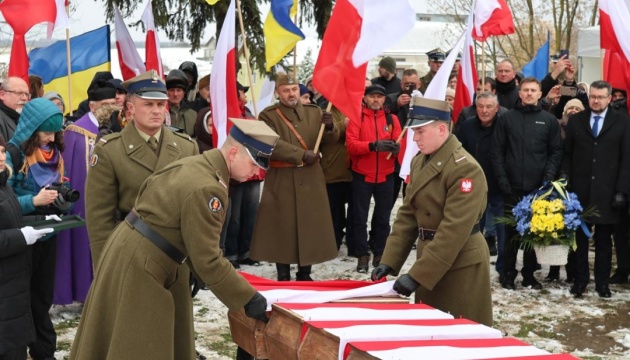
Remains of Polish Army soldiers killed in 1939 reburied in Lviv region
A ceremony was held in the Lviv region to rebury 115 Polish Army soldiers who died during the 1939 defense of Lviv.
 🇪🇺Europe & EU
Croatian Court Overturns Extradition of Nord Stream Sabotage Suspect to Germany
Croatia’s High Criminal Court has ordered a retrial for Ukrainian diver Volodymyr Zhuravlov, who is wanted by Germany over the 2022 Nord Stream pipeline blasts.
 🛡️War & Security
General Staff: 134 combat engagements recorded on the frontline
On November 27, Russian forces conducted over 130 attacks, utilizing massive drone strikes and aerial bombardments.