Volhynian Tragedy of 1943: Historical Context and Causes of the Conflict
An analysis of the historical background and immediate causes of the Volhynian Tragedy of 1943 reveals that the conflict was a result of decades of socio-economic injustice and the deliberate policies of occupying regimes.
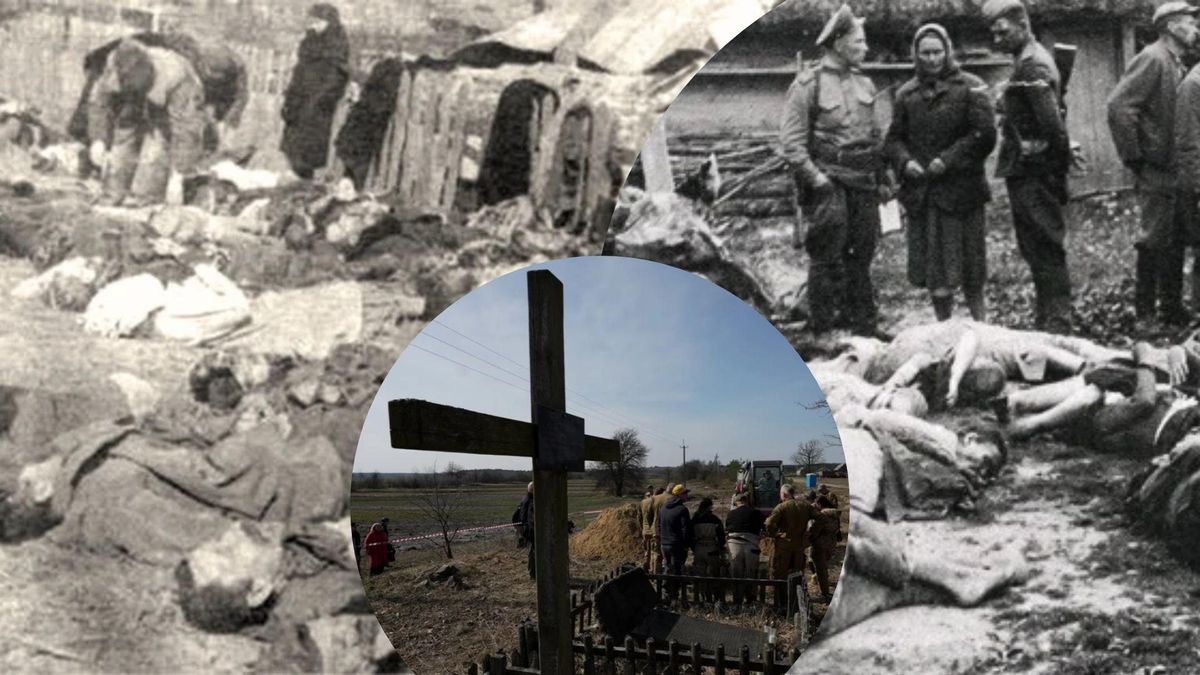 🛡️War & Security
Photo: 24 Канал
Key points
- Socio-economic injustice and land hunger among Ukrainians after 1921.
- Polish settlement policies and cultural discrimination.
- Annihilation of elites and radicalization of society by Soviet and Nazi regimes.
- The "divide and conquer" tactic of the German occupation administration.
- Escalation of the conflict in 1943 after Ukrainians joined the UPA and retaliatory actions by the Polish underground.
Roots of the Conflict: Socio-Economic Tensions and Colonization
The bloody events of 1943 in Volhynia, which led to the mass deaths of civilians, were not a sudden outburst but the culmination of deep social, economic, and political contradictions. Following the Treaty of Riga in 1921, Volhynia became part of the Second Polish Republic, where the Ukrainian peasantry, constituting the majority of the population, suffered from land hunger and poverty. In contrast, Polish authorities pursued a policy of settlement (osadnictwo), distributing the best lands to Polish veterans and colonists, which exacerbated ethnic tensions.
The economic marginalization of Ukrainians was accompanied by cultural discrimination, including the closure of Ukrainian schools, limited access to state positions, and bias in courts. This transformed Volhynia into a kind of internal colony, where social injustice fueled feelings of resentment and despair.
Role of Occupying Regimes and Societal Radicalization
The outbreak of World War II and the collapse of state apparatus created a vacuum in which accumulated social anger erupted. The absence of legal mechanisms for conflict resolution and the breakdown of the law enforcement system led to violence becoming the primary means of struggle for land and survival.
The political climate of the 1930s, poisoned by integral nationalism, contributed to the radicalization of both sides. The brutal Soviet terror of 1939–1941 annihilated traditional elites and community leaders, leaving society without moral authorities. The Nazi occupation, which brought the Holocaust, further brutalized the population, and the German administration deliberately employed a "divide and conquer" tactic, inciting Ukrainian auxiliary police against Poles and vice versa.
Escalation of the Conflict in 1943
The immediate catalyst for the bloody climax was the spring of 1943, when approximately 5,000 Ukrainians left German service and joined the Ukrainian Insurgent Army (UPA). In response, the Nazis massively recruited Poles, which escalated the conflict into open warfare. The UPA leadership in Volhynia initiated an anti-Polish campaign, while the Polish underground (Home Army) and self-defense units engaged in brutal retaliatory actions. Soviet partisans also fueled the conflict, provoking clashes and often collaborating with Polish units, which intensified mutual animosity.
“The Volhynian tragedy of 1943 was not a sudden outbreak of incomprehensible madness, but a logical, albeit terrible, consequence of a long-standing policy of humiliation, radicalization, and the deliberate destruction of any state institutions,” the source notes.
Today, Ukraine and Poland continue the process of seeking compromises and exhuming victims to honor the memory of the deceased and finally turn this painful page of history.
Source 24 Канал — 24tv.ua/volinska-tragediya-1943-prichini-krivavogo-konfliktu-pro-yaki_n… ↗
Read next
 ⚖️Law & Anti-corruption
Estonian Supreme Court bans smartphone voting for elections
The Estonian Supreme Court has blocked plans to introduce mobile voting apps, citing cybersecurity risks and the lack of state control over private app stores.
 🇺🇦Ukraine
Ukrainian defense industry produces over half of artillery shells for the front
Rheinmetall CEO Armin Papperger stated that Ukrainian facilities now manufacture more than 50% of the artillery ammunition used by the Defense Forces.
 🌍World
China tests new landing tactics against Taiwan: satellites spot 800-meter floating bridge
Chinese military forces conducted drills in Fujian province, testing the construction of an 800-meter floating bridge using civilian vessels to transport heavy equipment.
 🇺🇦Ukraine
Russian army attacks Kremenchuk with drones: casualties include children
On the evening of November 27, Russian forces launched a drone strike on Kremenchuk in the Poltava region. Four civilians were injured, including three children.
 ⚖️Law & Anti-corruption
NABU Director Semen Kryvonos responds to criticism over skipping parliamentary commission hearings
Semen Kryvonos explained his absence from the Verkhovna Rada's temporary investigative commission hearings by citing foreign business trips and alleged pressure on anti-c…
 🇪🇺Europe & EU
Remains of Polish Army soldiers killed in 1939 reburied in Lviv region
A ceremony was held in the Lviv region to rebury 115 Polish Army soldiers who died during the 1939 defense of Lviv.