Russia's Reliance on Western Technology and the Myth of Its Stability: A Call for Decisive Western Action
Analysts argue that the Russian military machine is critically dependent on Western microelectronic components supplied through sanctions evasion networks, while Russia's economy and infrastructure show signs of systemic weakening. This challenges the rationale behind the West's cautious policy, which is based on fears of Russia's collapse.
 🛡️War & Security
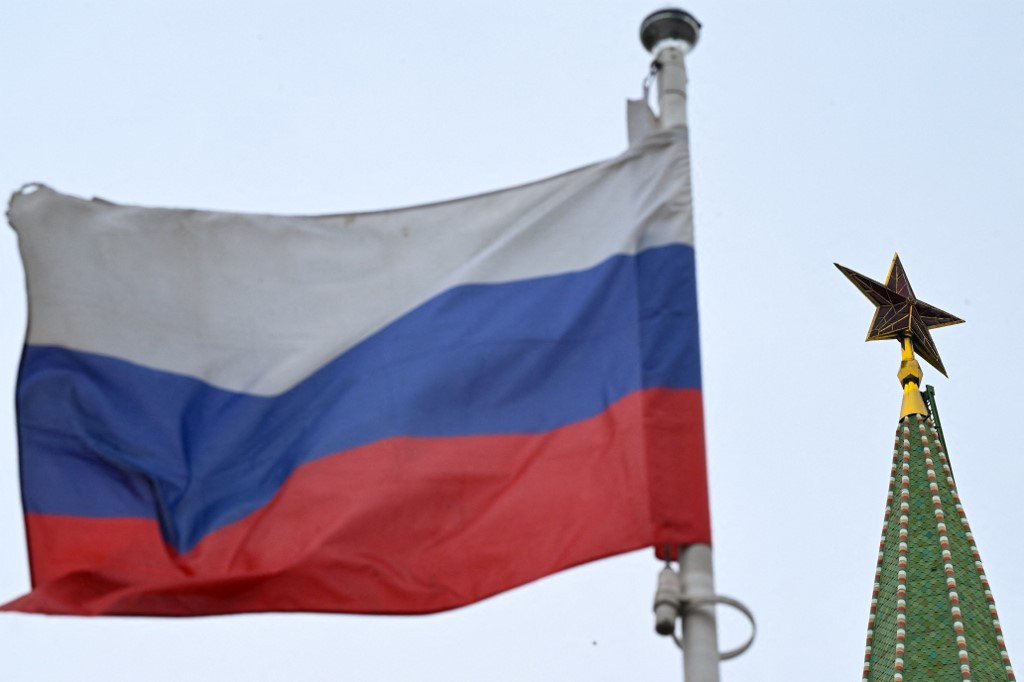
Photo: Kyiv Post
Key points
- Russian missiles and drones use Western microchips
- Sanctions evasion networks are actively operating
- Russia's economy and infrastructure show signs of weakening
- Call for the West to abandon fear of Russia's collapse
- Need to provide Ukraine with long-range capabilities
Russian Military Machine Relies on Western Technology
Despite aggressive rhetoric, Russia's military industry is critically dependent on smuggled Western microelectronic components. According to official data from Ukraine's Presidential Commissioner for Sanctions Policy, recent examinations of downed "Shahed-238" drones and "Iskander-M" missiles revealed hundreds of foreign parts, including components from US companies like Texas Instruments, Amphenol, and ON Semiconductor. Some of these microchips were manufactured very recently, indicating active sanctions evasion networks.
This reliance on Western technology undermines the perception of Russia as a self-sufficient military power. Analysts emphasize that the so-called "Russian Bear" has transformed into a "hollow imperial machine," functioning due to the negligence of Western corporations and insufficient export controls.
Systemic Weakening of Russia's Economy and Infrastructure
Alongside military dependence, Russia's economy and infrastructure show signs of systemic weakening. Large-scale fires at logistics hubs and data centers, such as Wildberries, Ozon, and Yandex warehouses, are seen as evidence of hidden use of civilian supply chains for military purposes, leading to the collapse of the civilian network.
Leading Russian economists openly predict severe resource shortages. To sustain the military machine, which consumes over a thousand Russian lives daily, the regime is draining the economy of its labor force. Furthermore, federal budgets are aggressively funneled into the military-industrial complex, leading to the decay of regional utility systems and public housing infrastructure, leaving citizens without adequate provision.
Call for Decisive Western Action
Against this backdrop, analysts urge the West to abandon the "phantom fear" of Russia's collapse and reconsider its overly cautious policy. Instead of fearing the fragmentation of a nuclear state, the focus should be on dismantling sanctions evasion networks, providing Ukraine with long-range capabilities, and ceasing to treat Russian stability as a strategic necessity.
"The West must stop fearing its collapse and look at the reality on the ground," analysts state, emphasizing that Putin's regime is a "house of cards."
Delays in providing Ukraine with full support only prolong the conflict and lead to countless casualties. Western countries must act decisively to cut off the supply channels of technology to the Russian military machine and help Ukraine finish the job.
Source Kyiv Post — kyivpost.com/opinion/88048 ↗
Read next
 ⚖️Law & Anti-corruption
Estonian Supreme Court bans smartphone voting for elections
The Estonian Supreme Court has blocked plans to introduce mobile voting apps, citing cybersecurity risks and the lack of state control over private app stores.
 🇺🇦Ukraine
Ukrainian defense industry produces over half of artillery shells for the front
Rheinmetall CEO Armin Papperger stated that Ukrainian facilities now manufacture more than 50% of the artillery ammunition used by the Defense Forces.
 🌍World
China tests new landing tactics against Taiwan: satellites spot 800-meter floating bridge
Chinese military forces conducted drills in Fujian province, testing the construction of an 800-meter floating bridge using civilian vessels to transport heavy equipment.
 🇺🇦Ukraine
Russian army attacks Kremenchuk with drones: casualties include children
On the evening of November 27, Russian forces launched a drone strike on Kremenchuk in the Poltava region. Four civilians were injured, including three children.
 ⚖️Law & Anti-corruption
NABU Director Semen Kryvonos responds to criticism over skipping parliamentary commission hearings
Semen Kryvonos explained his absence from the Verkhovna Rada's temporary investigative commission hearings by citing foreign business trips and alleged pressure on anti-c…
 🇪🇺Europe & EU
Remains of Polish Army soldiers killed in 1939 reburied in Lviv region
A ceremony was held in the Lviv region to rebury 115 Polish Army soldiers who died during the 1939 defense of Lviv.