New Tactics in Refinery Strikes and Azov Port Blockade: Ukraine Exhausts Russian Fuel Sector
Ukraine has shifted its strategy for attacking Russian oil refineries to cause massive simultaneous fires and has disabled approximately 400 shadow fleet vessels in the Sea of Azov.
 🛡️War & Security
Photo: 24 Канал
Key points
- Approximately 400 Russian shadow fleet vessels have been damaged or destroyed.
- 15 out of 38 key Russian refineries are completely out of commission.
- New tactics involve creating up to 15 simultaneous fire spots at a single refinery.
The Ukrainian Unmanned Systems Forces have significantly altered their approach to destroying Russian energy and logistical infrastructure. According to Pavlo Lakiychuk, head of security programs at the Center for Global Studies 'Strategy XXI,' systematic drone attacks have led to a virtual paralysis of key Russian Azov ports and large-scale fires at oil refineries.
Logistics Collapse and the 'Shadow Fleet'
Ukrainian drone strikes have disabled or damaged approximately 400 'river-sea' class vessels that Russia used to bypass international sanctions and conduct covert oil transshipment near the Kerch Strait. This has caused serious operational difficulties for the ports of Rostov-on-Don, Taganrog, and Azov. According to the expert, the 'corrosion of the Russian export shadow machine' is now spreading deep into the aggressor's territory via the Don River basin.
New Strategy for Refinery Attacks
In parallel with the maritime blockade, Ukraine has refined its aerial strike tactics against the oil refining industry. Instead of single precision hits on critical units, new guidance systems allow for the creation of 10 to 15 simultaneous ignition points at a single facility. The fire engulfs not only technological units but also large storage tanks for finished products, turning refineries into massive infernos.
Impact on the Front Line and Economy
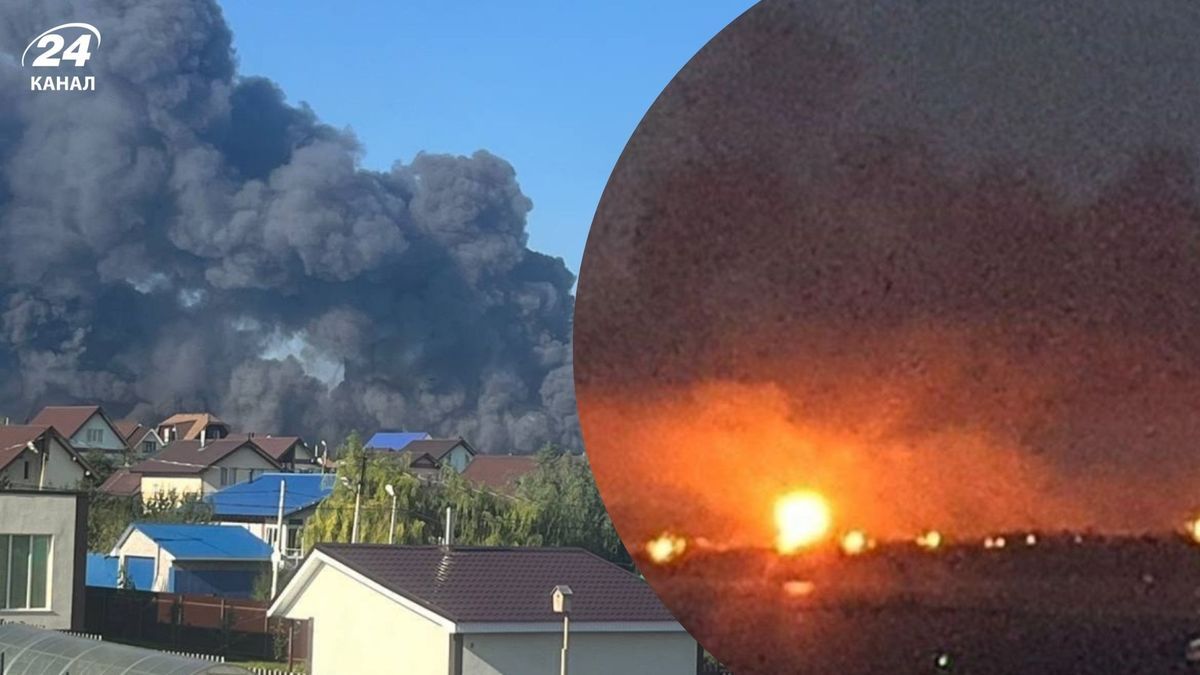
As of late September, the results of this campaign are significant: 15 out of 38 key Russian refineries have completely ceased operations, while another 12 have been forced to substantially reduce production volumes. The shortage of fuel and lubricants is already impacting the combat readiness of the occupying forces. Russian command has been forced to issue orders limiting offensive actions in certain sectors of the front due to acute fuel shortages. A recent example of this strategy's effectiveness was the fire at the Afipsky refinery in the Krasnodar region on the morning of November 6.
Source 24 Канал — 24tv.ua/nova-taktika-udariv-po-npz-rf-analiz-eksperta-pavla-lakishhuka_… ↗
Read next
 ⚖️Law & Anti-corruption
Estonian Supreme Court bans smartphone voting for elections
The Estonian Supreme Court has blocked plans to introduce mobile voting apps, citing cybersecurity risks and the lack of state control over private app stores.
 🇺🇦Ukraine
Ukrainian defense industry produces over half of artillery shells for the front
Rheinmetall CEO Armin Papperger stated that Ukrainian facilities now manufacture more than 50% of the artillery ammunition used by the Defense Forces.
 🌍World
China tests new landing tactics against Taiwan: satellites spot 800-meter floating bridge
Chinese military forces conducted drills in Fujian province, testing the construction of an 800-meter floating bridge using civilian vessels to transport heavy equipment.
 🇺🇦Ukraine
Russian army attacks Kremenchuk with drones: casualties include children
On the evening of November 27, Russian forces launched a drone strike on Kremenchuk in the Poltava region. Four civilians were injured, including three children.
 ⚖️Law & Anti-corruption
NABU Director Semen Kryvonos responds to criticism over skipping parliamentary commission hearings
Semen Kryvonos explained his absence from the Verkhovna Rada's temporary investigative commission hearings by citing foreign business trips and alleged pressure on anti-c…
 🇪🇺Europe & EU
Remains of Polish Army soldiers killed in 1939 reburied in Lviv region
A ceremony was held in the Lviv region to rebury 115 Polish Army soldiers who died during the 1939 defense of Lviv.