DIU: Russia Destroys Ukrainian Nature Reserves and Establishes Pseudo-Institutions in Occupied Territories
The Defence Intelligence of Ukraine (DIU) reported on Russia's systematic destruction of Ukraine's protected natural areas, transforming them into military sites, and establishing occupational environmental institutions to strengthen control.
 🛡️War & Security
Photo: Укрінформ
Key points
- Russia establishes pseudo-environmental protection institutions in occupied territories.
- Occupying forces destroy Ukrainian ecosystems and nature reserves, turning them into military sites.
- Russia's actions cause multi-billion dollar damages and bear signs of a war crime.
- Dozens of protected areas suffer colossal damage from hostilities and occupation.
- International law prohibits widespread environmental damage during wartime.
Russia Destroys Ukraine's Protected Areas, Turning Them into Military Sites
The Defence Intelligence of Ukraine (DIU) has reported on the extensive destruction of Ukraine's protected natural areas by Russian occupation forces. According to intelligence, the aggressor state is establishing so-called “environmental protection institutions” in the temporarily occupied parts of Donetsk, Luhansk, and Kherson regions. These pseudo-bodies, as stated by the DIU, aim to consolidate occupational control over seized protected lands and natural resources of Ukraine.
Simultaneously, the Russian army continues to devastate Ukrainian ecosystems and protected zones, converting them into battlefields, military fortifications, and sources of catastrophic pollution. The DIU emphasizes that these predatory actions inflict multi-billion dollar damages and bear the hallmarks of a war crime.
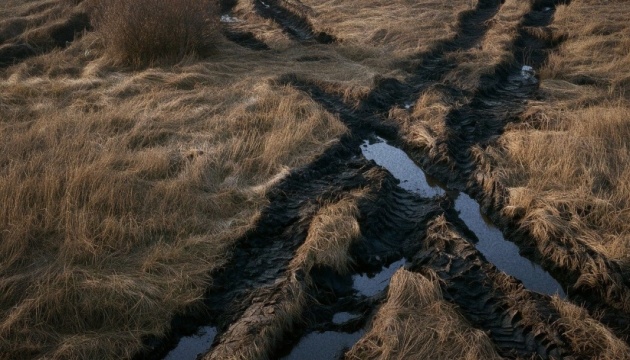
Dozens of protected areas, including Askania-Nova, Meotyda, Pryazovskyi National Nature Park, Kinburn Spit, Sviati Hory, and Kreminna Forests, are located in active combat zones or under occupation. Their ecosystems are suffering colossal damage due to soil destruction, fires, fuel contamination, and environmental degradation from mining, trenches, and heavy equipment movement.
Specifically, in the Pryazovskyi National Nature Park, occupiers have set up a mortar firing range, and in the Meotyda National Nature Park, Russian military fortifications have destroyed bird nesting sites. Outdated tankers, including those part of Russia's so-called “shadow fleet,” pose significant risks to marine ecosystems. According to the State Environmental Inspectorate of the Southern District, damages to facilities in the Kherson region alone are estimated at over 1.2 trillion hryvnias (approximately 28 billion dollars) as of October 2026.
The DIU stresses that international humanitarian law, particularly the Geneva Conventions and the Rome Statute, imposes restrictions on causing damage to the natural environment during wartime, recognizing such actions as war crimes. Occupation does not exempt Russia from these obligations, and the creation of Moscow-controlled institutions does not mitigate the damage already inflicted. Restoring Ukrainian ecosystems may take decades, and some of the damage is irreversible. The full extent of the harm will only be determined after de-occupation and a thorough environmental assessment.
Source Укрінформ — ukrinform.ua/rubric-society/4182006-zapovidniki-pid-gusenicami-u-gu… ↗
Read next
 🇺🇦Ukraine
Holodomor Remembrance Day: When and How Ukraine Honors the Victims
Every year on the fourth Saturday of November, Ukraine commemorates the millions of victims of man-made famines organized by the Soviet regime. In 2026, this day falls on…
 ⚖️Law & Anti-corruption
Estonian Supreme Court bans smartphone voting for elections
The Estonian Supreme Court has blocked plans to introduce mobile voting apps, citing cybersecurity risks and the lack of state control over private app stores.
 🇺🇦Ukraine
Ukrainian defense industry produces over half of artillery shells for the front
Rheinmetall CEO Armin Papperger stated that Ukrainian facilities now manufacture more than 50% of the artillery ammunition used by the Defense Forces.
 🌍World
China tests new landing tactics against Taiwan: satellites spot 800-meter floating bridge
Chinese military forces conducted drills in Fujian province, testing the construction of an 800-meter floating bridge using civilian vessels to transport heavy equipment.
 🇺🇦Ukraine
Russian army attacks Kremenchuk with drones: casualties include children
On the evening of November 27, Russian forces launched a drone strike on Kremenchuk in the Poltava region. Four civilians were injured, including three children.
 ⚖️Law & Anti-corruption
NABU Director Semen Kryvonos responds to criticism over skipping parliamentary commission hearings
Semen Kryvonos explained his absence from the Verkhovna Rada's temporary investigative commission hearings by citing foreign business trips and alleged pressure on anti-c…