Humanitarian Operation in Oleshky: Challenges and Parallels with the Korean War
A recent humanitarian operation to evacuate civilians from occupied Oleshky raised questions about its military significance and revealed unexpected aspects of the information resilience of Ukrainians in temporarily occupied territories.
 🛡️War & Security
Photo: Еспресо
Key points
- Evacuation of approximately 800 civilians from Oleshky
- Russia used the silence regime for troop redeployment
- Parallels with the evacuation of 14,000 refugees from Hungnam during the Korean War
- Ukrainians in occupation watch Ukrainian TV channels
Humanitarian Operation in Oleshky: Challenges and Parallels with the Korean War
A recent humanitarian operation to evacuate civilians from temporarily occupied Oleshky, during which approximately 800 people were rescued according to the Ukrainian Ombudsman, has sparked discussions regarding its military dimension. The Russian side exploited the silence regime to redeploy troops, potentially establishing a new foothold for future attacks. The exact number of those rescued remains classified at the occupiers' request.
This event draws historical parallels with civilian evacuations during the Korean War. In December 1950, amidst the Chinese invasion, the American cargo ship 'Meredith Victory' evacuated 14,000 refugees from Hungnam port. Captain Leonard LaRue ordered military equipment to be jettisoned to make space for people. This operation, known as the 'Christmas Miracle,' was remarkable as all refugees survived, and five infants were born aboard. Among those rescued were the parents of future South Korean President Moon Jae-in.
Despite the success of the humanitarian mission, the war in Korea continued for over two more years. This example underscores that even the most successful humanitarian operations cannot always accelerate the conclusion of armed conflicts.
A particularly striking revelation was that Ukrainians in occupied territories continue to watch Ukrainian TV channels, such as 'Channel 24,' 'Espreso,' and 'Pryamyi,' ignoring Russian propaganda. This fact indicates a high level of information resilience and the preservation of Ukrainian identity in occupied areas, offering hope for Ukraine's steadfastness in the war.
Source Еспресо — espreso.tv/poglyad-pro-oleshki-ta-rizdvyane-divo-u-pivdenniy-korei ↗
Read next
 🌍World
Russian negotiators plan to use AI to draft diplomatic agreements
Kirill Dmitriev announced the Kremlin's intention to use neural networks to frame and argue Russian positions in international negotiations.
 🌍World
Russia to Officially Integrate War Veterans into School Graduation Programs
The Russian Ministry of Education has issued guidelines requiring schools to include combat veterans in official graduation ceremonies by 2027.
 🇺🇦Ukraine
Holodomor Remembrance Day: When and How Ukraine Honors the Victims
Every year on the fourth Saturday of November, Ukraine commemorates the millions of victims of man-made famines organized by the Soviet regime. In 2026, this day falls on…
 🇺🇸USA
ACLU seeks court order to block Trump administration's efforts to unmask ICE critics
The American Civil Liberties Union (ACLU) has filed a lawsuit against the U.S. Department of Justice and the Department of Homeland Security, alleging abuse of the grand …
 🌍World
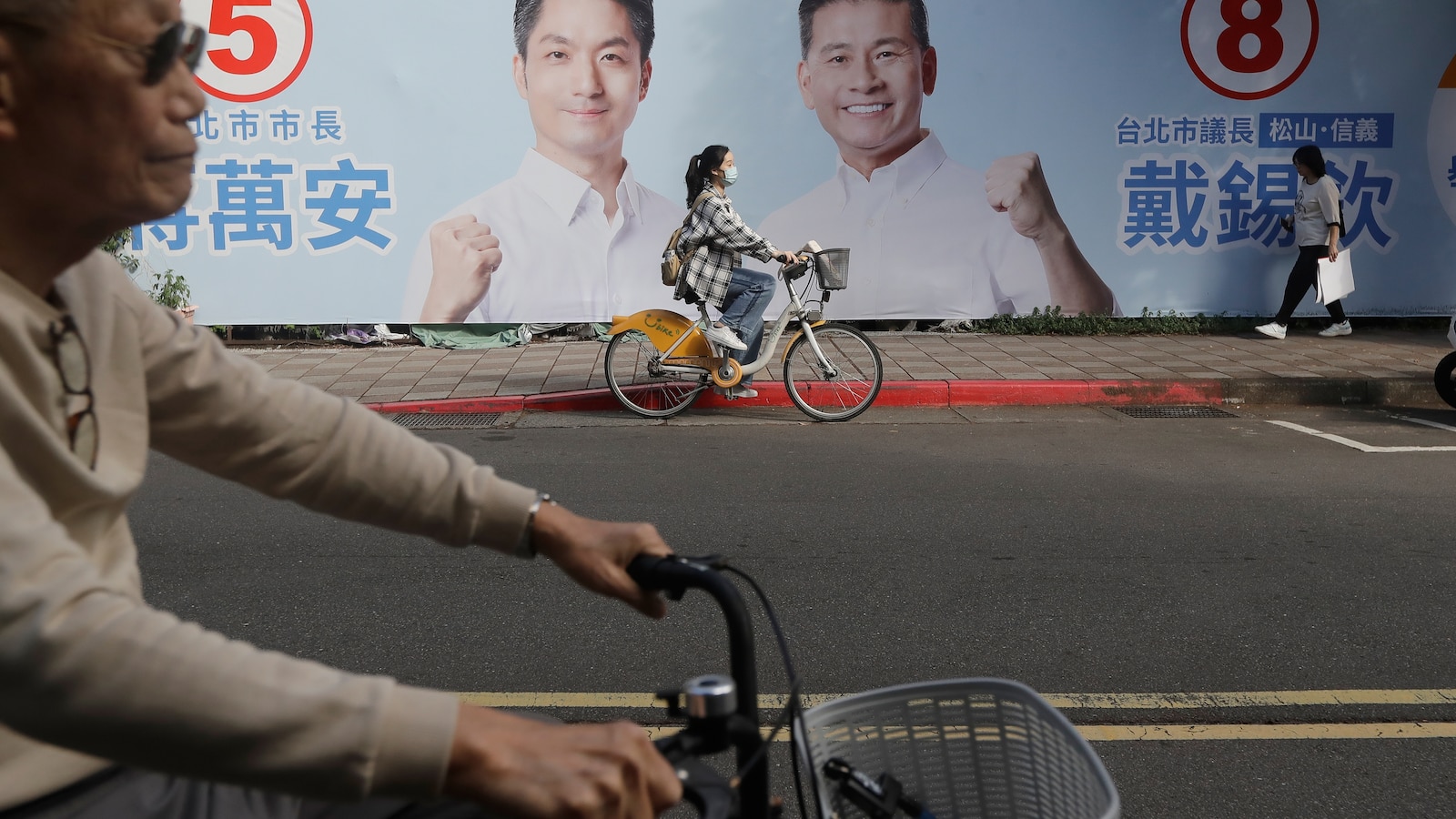
Taiwan holds local elections amid intense political competition
Taiwanese voters are heading to the polls to elect mayors and local council members across 22 cities and counties. The results will shape local governance for the next fo…
 🇺🇸USA
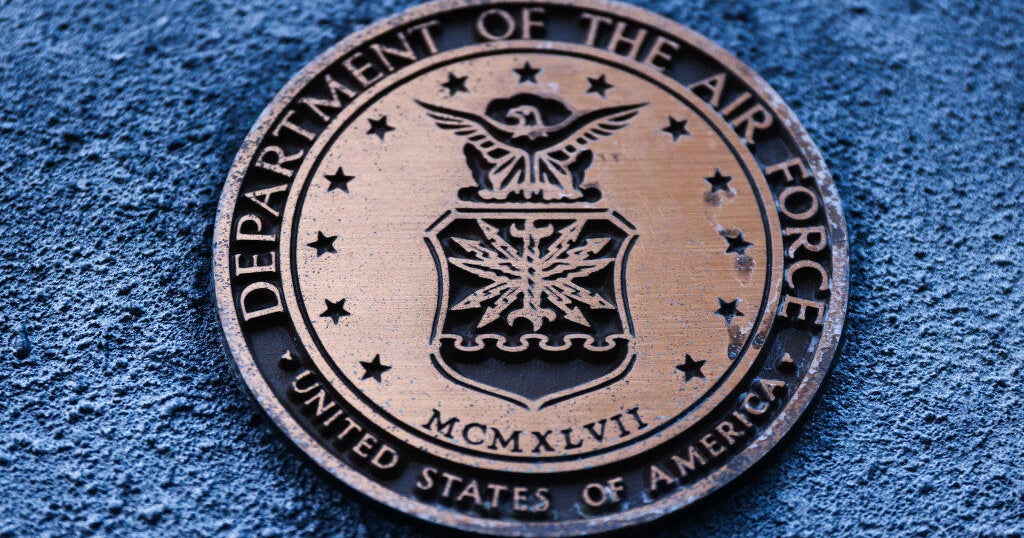
U.S. Air Force Cloud Platform Breached by Hackers
The U.S. Air Force's Cloud One platform has been breached in a cyberattack, potentially exposing sensitive military and personnel data.