Ukraine Halts Electricity Exports Following Russian Attacks, Sharply Increases Imports
Following a fresh wave of strikes on its energy grid, Ukraine has halted electricity exports and increased imports 3.5-fold. Funding shortages for repairs and protection remain critical.
 🛡️War & Security
Photo: Рубрика
Key points
- Ukraine stopped electricity exports entirely following the November 20 strikes.
- Daily imports surged nearly 3.5 times, primarily supplied by Hungary.
- The pre-existing funding gap for energy recovery was estimated at 450 million euros.
- Protective construction in the Kyiv region faces delays due to administrative handover issues.
Ukraine's energy system is facing renewed severe strain amid ongoing Russian attacks on critical infrastructure. According to a November economic review by the Center for Economic Strategy (CES), following the strike on November 20, Ukraine completely halted electricity exports while significantly ramping up purchases from European countries.
Impact of Strikes on High-Voltage Grids
Analysts report that since early September, Russian forces have launched over 1,000 strikes targeting Ukraine's energy facilities, including power plants and high-voltage substations. Damage to backbone transmission grids created a scenario where surplus power in certain regions could not be redirected to areas facing severe deficits, explaining why Ukraine previously continued exporting electricity despite rolling blackouts nationwide.
The November 20 attack further restricted grid capacity, forcing domestic nuclear power plants to curtail generation. By November 21, daily electricity imports surged from 5.7 to 19.6 GWh—an increase of nearly 3.5 times—while exports dropped and eventually ceased altogether. Ukraine has been sourcing the largest share of its imported electricity from Hungary, although import needs began to ease slightly in subsequent days.
Funding Gaps and Protection Delays
Financial resources required to restore Ukraine's energy infrastructure remain inadequate. Although international donors have channeled roughly 800 million euros into the Energy Support Fund of Ukraine since the beginning of the year, the funding shortfall prior to the latest late-November attacks was estimated at approximately 450 million euros.
Additionally, the State Agency for Restoration has been unable to begin constructing protective structures for energy facilities in the Kyiv region. The delay stems from the Kyiv Regional Military Administration's failure to formally transfer the facilities to the agency's balance sheet following required documentation checks.
Source Рубрика — rubryka.com/2026/11/27/energetyka-import/ ↗
Read next
 🇺🇦Ukraine
Ukrainian defense industry produces over half of artillery shells for the front
Rheinmetall CEO Armin Papperger stated that Ukrainian facilities now manufacture more than 50% of the artillery ammunition used by the Defense Forces.
 🇺🇦Ukraine
Russian army attacks Kremenchuk with drones: casualties include children
On the evening of November 27, Russian forces launched a drone strike on Kremenchuk in the Poltava region. Four civilians were injured, including three children.
 ⚖️Law & Anti-corruption
NABU Director Semen Kryvonos responds to criticism over skipping parliamentary commission hearings
Semen Kryvonos explained his absence from the Verkhovna Rada's temporary investigative commission hearings by citing foreign business trips and alleged pressure on anti-c…
 🇪🇺Europe & EU
Remains of Polish Army soldiers killed in 1939 reburied in Lviv region
A ceremony was held in the Lviv region to rebury 115 Polish Army soldiers who died during the 1939 defense of Lviv.
 🇪🇺Europe & EU
Croatian Court Overturns Extradition of Nord Stream Sabotage Suspect to Germany
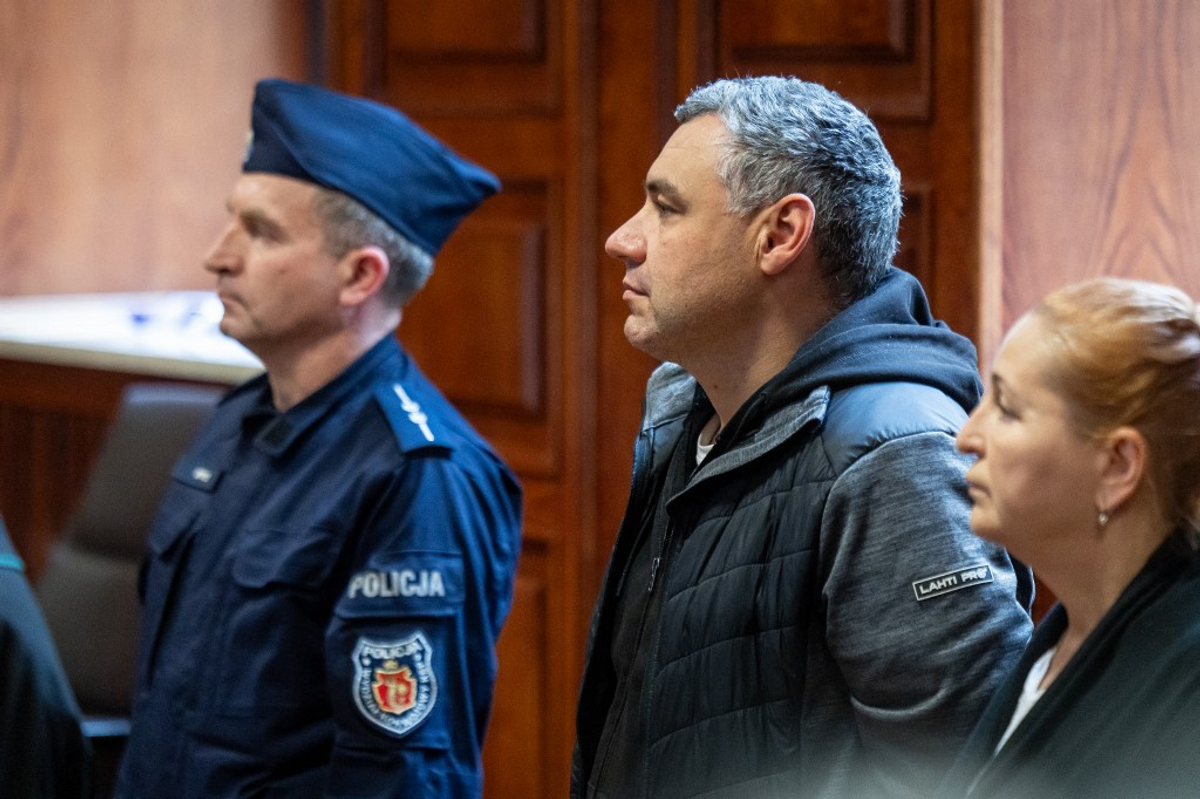
Croatia’s High Criminal Court has ordered a retrial for Ukrainian diver Volodymyr Zhuravlov, who is wanted by Germany over the 2022 Nord Stream pipeline blasts.
 🇺🇸USA
«AI Dictators»: German media on the rising political influence of tech moguls
Leading US tech entrepreneurs are facing increasing criticism for attempting to assume state functions and influence democratic institutions.