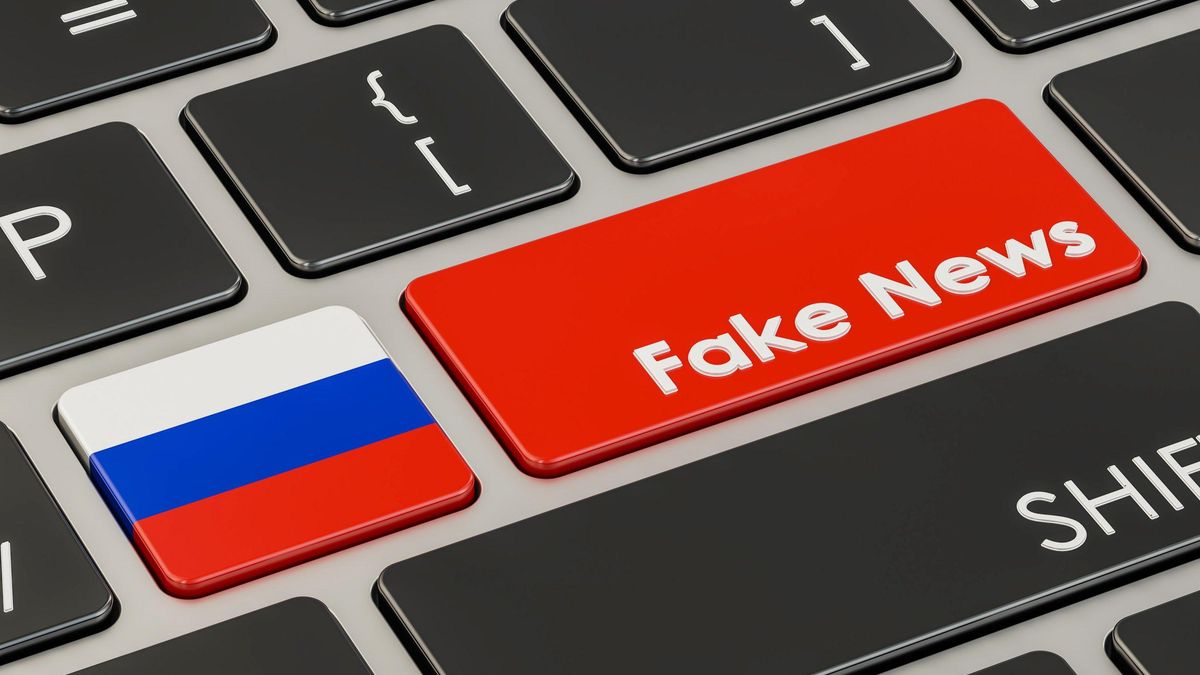
The Kremlin uses influencers and hidden media funding to spread disinformation, analysts say
Russia is actively engaging foreign bloggers and funding international media companies to promote its own narratives and influence public opinion in democratic nations.
 🛡️War & Security
Photo: 24 Канал
Key points
- Russia uses influencers and bot networks to influence foreign decision-making processes.
- RT funneled approximately $9.7 million to the American media firm Tenet Media.
- Certain Western influencers publicly revised their views on the war after manipulation schemes were exposed.
The Russian Federation is evolving its information and psychological operations, shifting from simple public opinion manipulation to attempts at influencing decision-making processes across entire communities. According to Olesya Horiainova, Deputy Head of the Ukrainian Center for Security and Cooperation, writing in a column for CEPA, the Kremlin increasingly relies on international opinion leaders and influencers who may not even realize they are spreading hostile narratives.
The analyst noted that recent strikes by Ukraine's Defense Forces on Russian data centers temporarily disrupted Yandex infrastructure, exposing vulnerabilities that reduced bot activity and the spread of destructive content. Concurrently, Moscow continues to employ covert funding for foreign media. Specifically, the U.S. Department of Justice recorded transfers from RT of approximately $9.7 million to the American media company Tenet Media to influence its editorial policy.
“Russian psychological operations aim not just to spread specific messages, but to influence how people perceive events, evaluate information, and form their own beliefs,” experts emphasize.
Examples of this dynamic include American influencers. Blogger Laura Loomer and Tenet Media content creator Tim Pool both admitted to being influenced by Kremlin narratives after relying on limited information sources. Following changes in perspective and exposure to facts regarding the war, some of these figures publicly shifted their stances.
Experts stress that countering these information threats requires boosting society's cognitive resilience and ensuring proactive communication by state institutions. Closing information gaps deprives hostile actors of the opportunity to manipulate public consciousness and undermine trust in governance.
Source 24 Канал — 24tv.ua/rosiyska-propaganda-yak-moskva-namagayetsya-vplinuti-dumki-spil… ↗
Read next
 ⚖️Law & Anti-corruption
Estonian Supreme Court bans smartphone voting for elections
The Estonian Supreme Court has blocked plans to introduce mobile voting apps, citing cybersecurity risks and the lack of state control over private app stores.
 🇺🇦Ukraine
Ukrainian defense industry produces over half of artillery shells for the front
Rheinmetall CEO Armin Papperger stated that Ukrainian facilities now manufacture more than 50% of the artillery ammunition used by the Defense Forces.
 🌍World
China tests new landing tactics against Taiwan: satellites spot 800-meter floating bridge
Chinese military forces conducted drills in Fujian province, testing the construction of an 800-meter floating bridge using civilian vessels to transport heavy equipment.
 🇺🇦Ukraine
Russian army attacks Kremenchuk with drones: casualties include children
On the evening of November 27, Russian forces launched a drone strike on Kremenchuk in the Poltava region. Four civilians were injured, including three children.
 ⚖️Law & Anti-corruption
NABU Director Semen Kryvonos responds to criticism over skipping parliamentary commission hearings
Semen Kryvonos explained his absence from the Verkhovna Rada's temporary investigative commission hearings by citing foreign business trips and alleged pressure on anti-c…
 🇪🇺Europe & EU
Remains of Polish Army soldiers killed in 1939 reburied in Lviv region
A ceremony was held in the Lviv region to rebury 115 Polish Army soldiers who died during the 1939 defense of Lviv.