US Voters Reject Trump’s AI Expansion Strategy Amid Concerns Over Data Centers
Midterm election results show a backlash against the Trump administration's plan to boost AI infrastructure, as voters prioritize local environmental and economic costs over competition with China.
 🇺🇸USA
Photo: Дзеркало тижня
Key points
- Democrats gain Congressional control by opposing unregulated data center growth
- Voters in key states prioritized utility costs and environment over China rivalry
- Trump's 'AI victory' narrative faces resistance from local communities
The Trump administration's push for rapid artificial intelligence expansion has hit a significant political roadblock. In the recent midterm elections, American voters favored candidates who opposed the unregulated construction of data centers, signaling that local quality-of-life concerns now outweigh Washington’s geopolitical ambitions to outpace China in the tech race.
With Democrats securing control of both the House and Senate, the legislative landscape for AI is set to shift toward stricter oversight. Key Democratic victories in Texas, Ohio, and Georgia were driven by promises to curb the unchecked growth of tech infrastructure. Simultaneously, voters in numerous municipalities approved local measures to ban or restrict new data center projects.
The discontent stems from the tangible impact of these facilities: soaring electricity bills, massive water consumption, and persistent noise pollution. Residents in Northern Virginia, home to the world's highest concentration of data centers, have voiced frustration over industrial hums and diesel emissions. Experts note that President Trump’s rhetoric—framing AI dominance as a prerequisite for national victory—failed to resonate with citizens facing rising utility costs.
While the White House continues to advocate for industry self-regulation to maintain a competitive edge over Beijing, the new Congress appears ready to intervene. Representative Ted Lieu, co-chair of the Democratic AI Commission, has signaled plans for "smart safeguards" and increased accountability. This political shift suggests that the future of US AI infrastructure will depend more on community consent than on federal mandates.
Source Дзеркало тижня — zn.ua/ukr/TECHNOLOGIES/bunt-proti-data-tsentriv-u-ssha-vibortsi-vidkinu… ↗
Read next
 🌍World
Russian negotiators plan to use AI to draft diplomatic agreements
Kirill Dmitriev announced the Kremlin's intention to use neural networks to frame and argue Russian positions in international negotiations.
 🌍World
Russia to Officially Integrate War Veterans into School Graduation Programs
The Russian Ministry of Education has issued guidelines requiring schools to include combat veterans in official graduation ceremonies by 2027.
 🇺🇦Ukraine
Holodomor Remembrance Day: When and How Ukraine Honors the Victims
Every year on the fourth Saturday of November, Ukraine commemorates the millions of victims of man-made famines organized by the Soviet regime. In 2026, this day falls on…
 🌍World
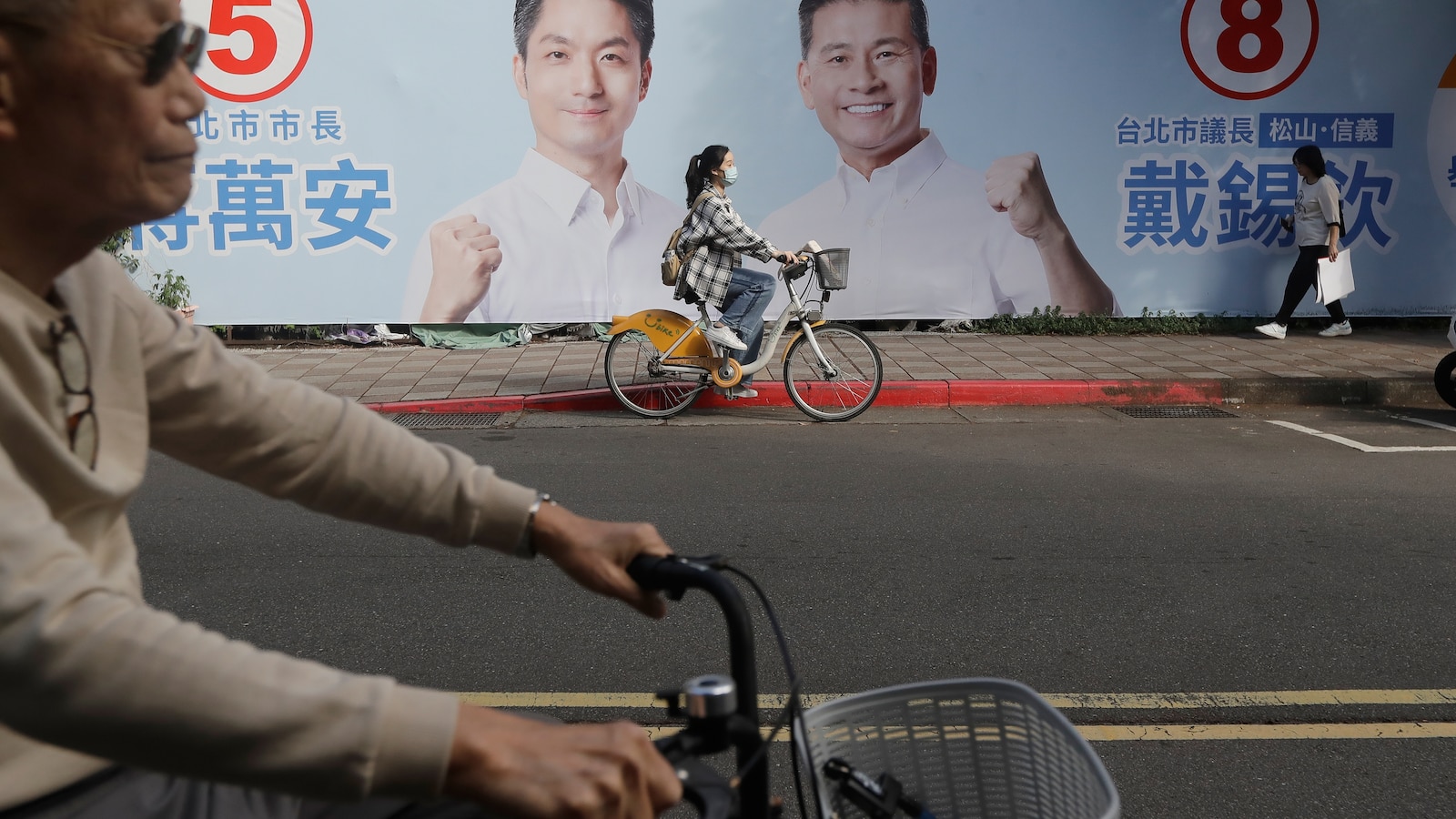
Taiwan holds local elections amid intense political competition
Taiwanese voters are heading to the polls to elect mayors and local council members across 22 cities and counties. The results will shape local governance for the next fo…
 🌍World
Taiwan faces energy referendum: Nuclear power vs. national security
Taiwan is set to hold a referendum on reviving nuclear power, driven by surging electricity demand for the AI chip industry and concerns over energy security amid rising …
 🛡️War & Security
Russian command threatens officers with assault duty due to falsified frontline reports
Due to discrepancies between the actual situation on the Zaporizhzhia front and reports submitted to senior leadership, Russian officers are facing threats of being sent …