US Congress could soon move to rein in Trump’s tariffs on Canada
The newly sworn-in US Congress may restrict presidential tariff authorities by repealing Section 338 of the Tariff Act of 1930.
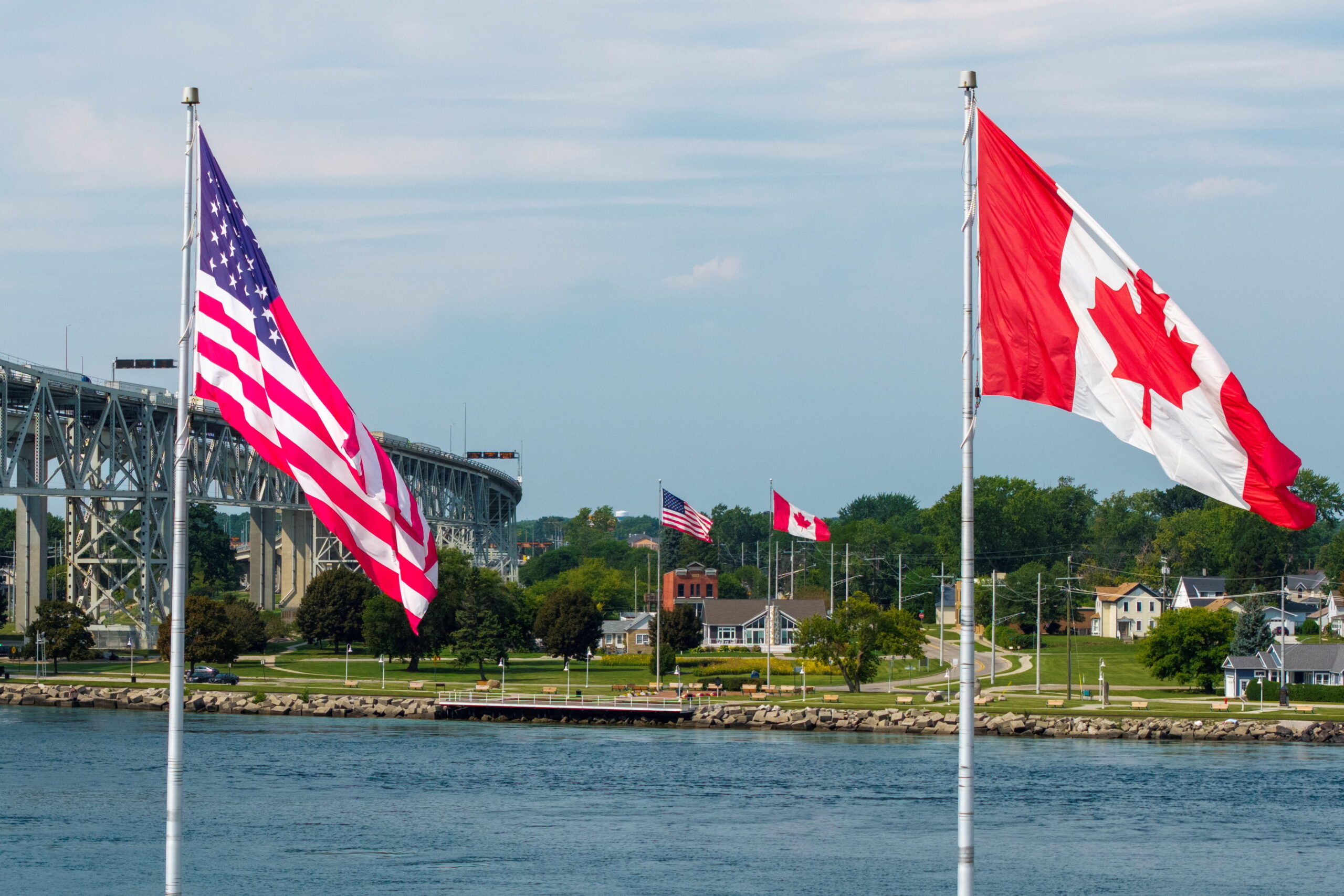 🇺🇸USA
Photo: Atlantic Council
Key points
- US Congress considers restricting presidential tariff authorities
- Section 338 was invoked against Canada with 50% tariffs in August
- Canada enacted retaliatory measures affecting US exports
- Repealing the tariffs would reduce business costs but leave broader disputes unresolved
Once the new US Congress is sworn in, one of its primary legislative moves could involve restricting the trade authorities of President Donald Trump. Lawmakers appear to possess sufficient bipartisan support to repeal Section 338 of the Tariff Act of 1930. In August, the administration invoked this provision against Canada for the first time ever, imposing 50-percent tariffs on roughly twenty billion dollars worth of goods and triggering retaliatory measures from Ottawa, which launched an ongoing trade dispute.
Economic impact and remaining trade hurdles
While repealing Section 338 would not completely restore bilateral trade relations to their baseline, it would significantly relieve financial pressures on US importers. In September, American businesses paid approximately $385 million in duties on goods subject to Section 338 tariffs, compared to just $33 million in July. Removing these specific duties would lower costs for importers dealing in items ranging from silver jewelry to swimming pools, though other protective measures under Section 301 and Section 232 would remain active.
Meanwhile, Canada’s dollar-for-dollar retaliatory tariffs have targeted US exports such as smartphones, perfumes, paper towels, and cheese. De-escalating the trade conflict would offer relief to exporters on both sides of the border, but broader tensions persist. Outstanding issues, including ongoing disputes over steel, aluminum, and upcoming automotive tariffs, indicate that a full normalization of US-Canada trade relations will require more extensive negotiations.
Source Atlantic Council — atlanticcouncil.org/blogs/econographics/congress-could-soon-rein-in… ↗
Read next
 🛡️War & Security
Russian command threatens officers with assault duty due to falsified frontline reports
Due to discrepancies between the actual situation on the Zaporizhzhia front and reports submitted to senior leadership, Russian officers are facing threats of being sent …
 ⚖️Law & Anti-corruption
Estonian Supreme Court bans smartphone voting for elections
The Estonian Supreme Court has blocked plans to introduce mobile voting apps, citing cybersecurity risks and the lack of state control over private app stores.
 🇺🇦Ukraine
Ukrainian defense industry produces over half of artillery shells for the front
Rheinmetall CEO Armin Papperger stated that Ukrainian facilities now manufacture more than 50% of the artillery ammunition used by the Defense Forces.
 🌍World
China tests new landing tactics against Taiwan: satellites spot 800-meter floating bridge
Chinese military forces conducted drills in Fujian province, testing the construction of an 800-meter floating bridge using civilian vessels to transport heavy equipment.
 🇺🇦Ukraine
Russian army attacks Kremenchuk with drones: casualties include children
On the evening of November 27, Russian forces launched a drone strike on Kremenchuk in the Poltava region. Four civilians were injured, including three children.
 ⚖️Law & Anti-corruption
NABU Director Semen Kryvonos responds to criticism over skipping parliamentary commission hearings
Semen Kryvonos explained his absence from the Verkhovna Rada's temporary investigative commission hearings by citing foreign business trips and alleged pressure on anti-c…