The Buran Legacy: How the Soviet Response to US Shuttles Marked the End of an Empire
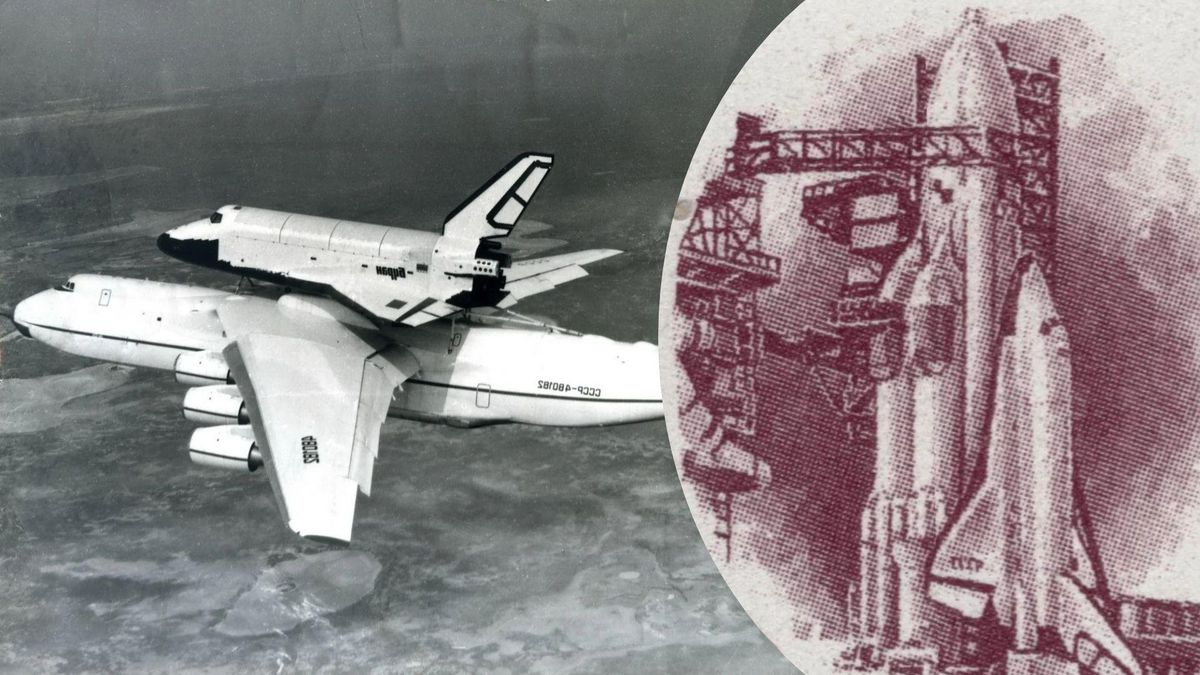
November 15 marks the anniversary of the Buran space shuttle's only flight, a project born from Cold War paranoia and economic exhaustion.
 🇺🇸USA
Photo: 24 Канал
Key points
- The only flight took place on November 15, 1988
- The project was a response to the US Space Shuttle program
- The program was cancelled due to the economic collapse of the USSR
On November 15, 1988, the Soviet Union launched the Buran spacecraft from the Baikonur Cosmodrome, marking the pinnacle of the USSR's aerospace ambitions. Intended as a direct response to the American Space Shuttle program, the mission remains the most expensive military-technical endeavor in Soviet history. While the flight was a technical success, it ultimately highlighted the terminal exhaustion of the Soviet economy.
Cold War Paranoia and Strategic Response
The genesis of the Energia-Buran system lay in the Kremlin's fear that the U.S. Space Shuttle could serve as an orbital bomber capable of delivering nuclear strikes. To counter this perceived threat, the Soviet leadership mobilized over a million specialists and hundreds of research institutes. This massive investment occurred while the nation faced a severe economic downturn, plummeting oil prices, and the burden of the war in Afghanistan.
A Technological Masterpiece Without a Future
During its sole 206-minute mission, Buran completed two orbits and executed a flawless automated landing—a feat that surprised even NASA experts at the time. Despite the precision of the 100-ton glider's touchdown, the program could not survive the geopolitical shifts of the era. By 1993, the newly independent Russian Federation officially terminated the project due to a lack of resources.
The Buran project serves as a stark historical lesson: even the most brilliant technological achievements are doomed if they are built solely to serve militaristic ambitions at the expense of economic stability.
The physical legacy of the program ended tragically in 2002 when the only flight-proven Buran orbiter was destroyed by a roof collapse at Baikonur. Today, the project is remembered not as the start of a new era, but as a grand epitaph for a superpower that collapsed under the weight of its own strategic rivalry.
Source 24 Канал — 24tv.ua/polit-burana-1988-chomu-megashatl-srsr-vikoristali-lishe-raz_n3… ↗
Read next
 🛡️War & Security
Russian command threatens officers with assault duty due to falsified frontline reports
Due to discrepancies between the actual situation on the Zaporizhzhia front and reports submitted to senior leadership, Russian officers are facing threats of being sent …
 ⚖️Law & Anti-corruption
Estonian Supreme Court bans smartphone voting for elections
The Estonian Supreme Court has blocked plans to introduce mobile voting apps, citing cybersecurity risks and the lack of state control over private app stores.
 🇺🇦Ukraine
Ukrainian defense industry produces over half of artillery shells for the front
Rheinmetall CEO Armin Papperger stated that Ukrainian facilities now manufacture more than 50% of the artillery ammunition used by the Defense Forces.
 🌍World
China tests new landing tactics against Taiwan: satellites spot 800-meter floating bridge
Chinese military forces conducted drills in Fujian province, testing the construction of an 800-meter floating bridge using civilian vessels to transport heavy equipment.
 🇺🇦Ukraine
Russian army attacks Kremenchuk with drones: casualties include children
On the evening of November 27, Russian forces launched a drone strike on Kremenchuk in the Poltava region. Four civilians were injured, including three children.
 ⚖️Law & Anti-corruption
NABU Director Semen Kryvonos responds to criticism over skipping parliamentary commission hearings
Semen Kryvonos explained his absence from the Verkhovna Rada's temporary investigative commission hearings by citing foreign business trips and alleged pressure on anti-c…