Why Small Ministries Are Doomed to Fail: A Critique of Ukraine's Public Administration Design
An expert opinion piece analyzes the flaws in state veteran policy and the structural limitations of small government agencies in Ukraine.
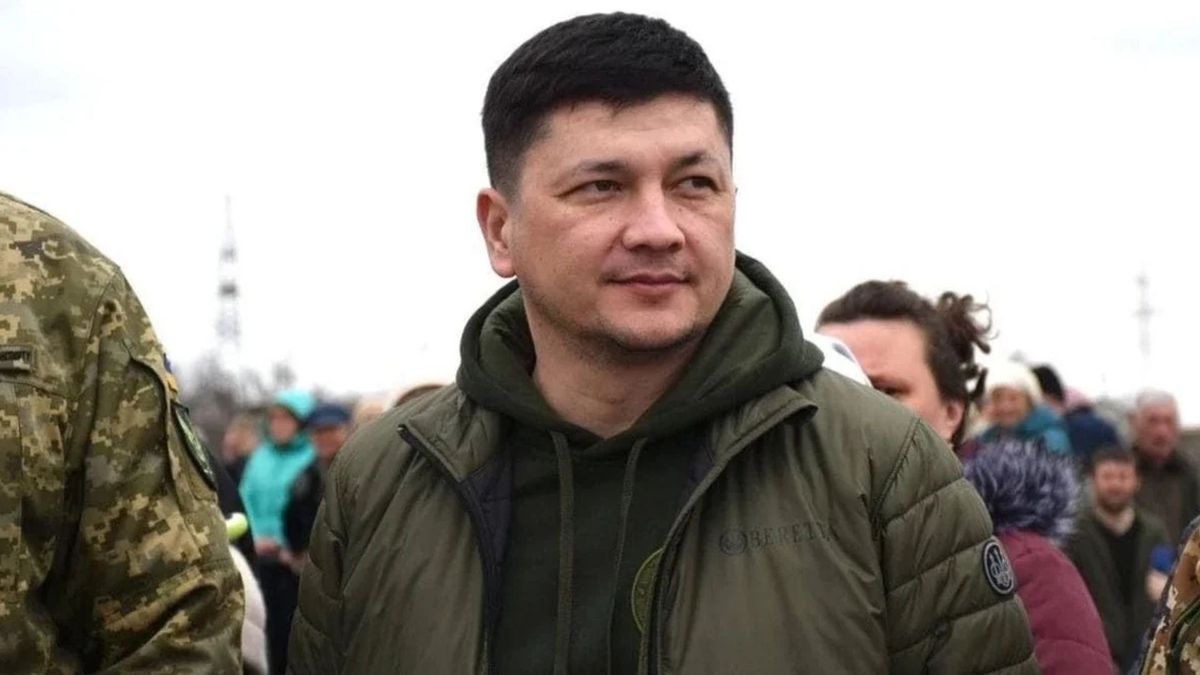 🇺🇦Ukraine
Photo: 24 Канал
Key points
- Small ministries lack sufficient leverage over other branches of government
- Veteran policy requires substantial resources and strong institutional backing
- Fragmenting governance into underpowered agencies proves ineffective during crises
Ukraine's public administration system faces significant challenges due to the institutional weakness of certain specialized government bodies. According to analyst Yaroslav Bozhko, the creation of small ministries and niche agencies frequently leads to the failure of state policies in critically important sectors.
Institutional Design and the Deficit of Influence
Although all ministries share equal legal status on paper, a de facto division exists between large, powerful departments and smaller structures. Heads of major ministries possess informal resources, access to international partners, and direct communication lines with government leadership. Conversely, leaders of smaller agencies lack these vital levers of influence.
This issue is particularly acute in veteran policy, an intensely sensitive area requiring robust resources and the capacity to coordinate other government institutions. Delegating such pressing issues to a small agency effectively sidelines them into isolated structures devoid of real instruments to resolve large-scale problems.
Such fragmentation of public administration is counterproductive given Ukraine's current realities, marked by a deficit of political decisions and human resources. Similar difficulties plague other authorized bodies, such as institutions dealing with national memory or countering disinformation, which historically lacked decisive resources for systemic transformation.
Ultimately, relegating critical state functions to structurally weak entities guarantees suboptimal outcomes. Building resilient governance requires empowering core institutions with sufficient political weight and operational capacity rather than dispersing responsibilities among underpowered administrative units.
Source 24 Канал — 24tv.ua/chomu-ministerstvo-spravah-veteraniv-treba-rozformuvati_n3182714 ↗
Read next
 🌍World
Russia to Officially Integrate War Veterans into School Graduation Programs
The Russian Ministry of Education has issued guidelines requiring schools to include combat veterans in official graduation ceremonies by 2027.
 🛡️War & Security
Russian command threatens officers with assault duty due to falsified frontline reports
Due to discrepancies between the actual situation on the Zaporizhzhia front and reports submitted to senior leadership, Russian officers are facing threats of being sent …
 ⚖️Law & Anti-corruption
Estonian Supreme Court bans smartphone voting for elections
The Estonian Supreme Court has blocked plans to introduce mobile voting apps, citing cybersecurity risks and the lack of state control over private app stores.
 🌍World
China tests new landing tactics against Taiwan: satellites spot 800-meter floating bridge
Chinese military forces conducted drills in Fujian province, testing the construction of an 800-meter floating bridge using civilian vessels to transport heavy equipment.
 ⚖️Law & Anti-corruption
NABU Director Semen Kryvonos responds to criticism over skipping parliamentary commission hearings
Semen Kryvonos explained his absence from the Verkhovna Rada's temporary investigative commission hearings by citing foreign business trips and alleged pressure on anti-c…
 🇪🇺Europe & EU
Remains of Polish Army soldiers killed in 1939 reburied in Lviv region
A ceremony was held in the Lviv region to rebury 115 Polish Army soldiers who died during the 1939 defense of Lviv.