Russia Upgrades Iskander Missiles for Precision Strikes on Ukrainian Infrastructure
Russian forces have begun using enhanced ballistic missiles with optical guidance to target strategic bridges and Ukraine's power grid.
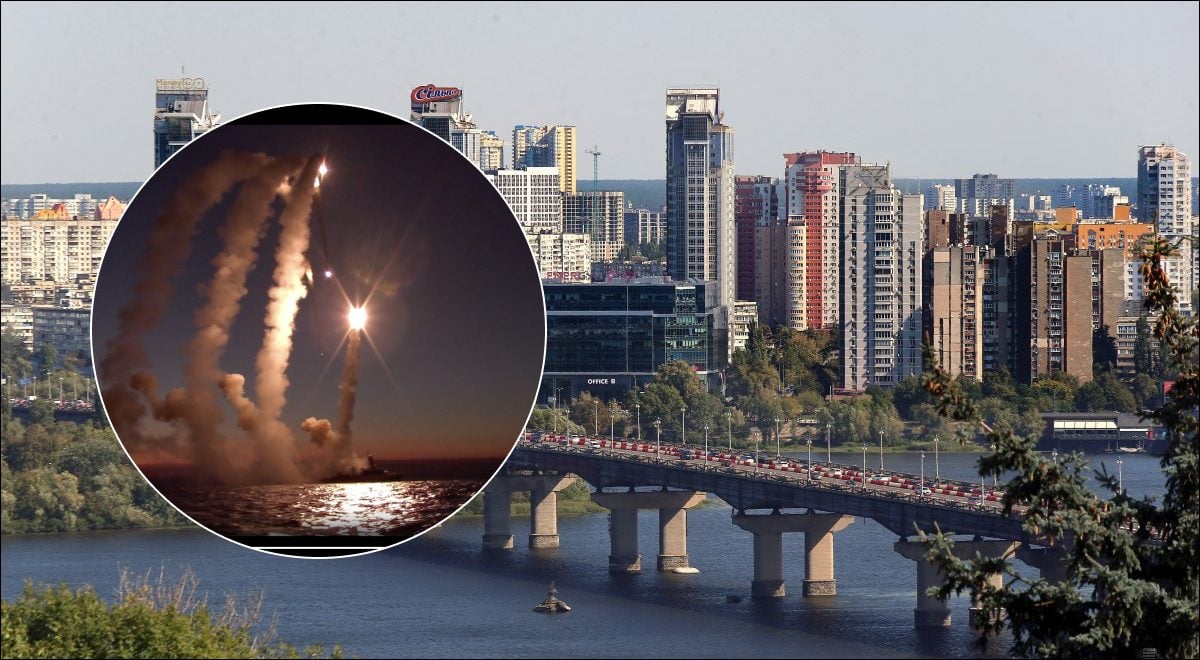 🇺🇦Ukraine
Photo: Главред
Key points
- Iskander missiles have been equipped with optical and radar seekers for terminal guidance.
- The strikes target strategic bridges to fragment Ukraine's energy grid into isolated segments.
- Updated systems allow missiles to bypass EW and deploy decoys against air defense radars.
The Russian military has modernized its Iskander ballistic missile systems, equipping them with new guidance technology. According to Western media and Ukrainian officials, these updated missiles can now adjust their trajectory just seconds before impact, allowing for surgical precision against critical infrastructure targets.
Technological Advancements and Accuracy
Experts note that the integration of optical and radar seekers enables the missiles to bypass electronic warfare (EW) systems. Professor Mauro Gilli explains that previously, ballistic missiles moved solely by inertia during the final flight phase, but they now maintain maneuverability until detonation. This reduces the margin of error to just a few meters.
"On the final stretch, the missile essentially moved only under the influence of gravity. Now the situation has changed," Gilli emphasized.
The "Islanding" Strategy
The Kremlin's strategic objective appears to be the implementation of a so-called "islanding mode" for the Ukrainian power grid. Analyst Maksym Beznosiuk suggests that Russia is attempting to sever connections between western and eastern regions by attacking bridges across the Dnipro River and power transmission lines. This aims to isolate segments of the network, preventing the redistribution of electricity to areas facing shortages.
In addition to guidance systems, Iskanders have received updated countermeasures against air defenses. According to Mykhailo Lyuksiukov, the missiles are once again deploying decoy targets that create radar interference, complicating the interception of the actual warhead. In recent weeks, such strikes have already targeted the North and South bridges in Kyiv, as well as infrastructure in Zaporizhzhia.
Source Главред — glavred.net/war/rf-modernizirovala-iskandery-dlya-udarov-po-mostam-the-… ↗
Read next
 🛡️War & Security
Russian command threatens officers with assault duty due to falsified frontline reports
Due to discrepancies between the actual situation on the Zaporizhzhia front and reports submitted to senior leadership, Russian officers are facing threats of being sent …
 ⚖️Law & Anti-corruption
Estonian Supreme Court bans smartphone voting for elections
The Estonian Supreme Court has blocked plans to introduce mobile voting apps, citing cybersecurity risks and the lack of state control over private app stores.
 🌍World
China tests new landing tactics against Taiwan: satellites spot 800-meter floating bridge
Chinese military forces conducted drills in Fujian province, testing the construction of an 800-meter floating bridge using civilian vessels to transport heavy equipment.
 ⚖️Law & Anti-corruption
NABU Director Semen Kryvonos responds to criticism over skipping parliamentary commission hearings
Semen Kryvonos explained his absence from the Verkhovna Rada's temporary investigative commission hearings by citing foreign business trips and alleged pressure on anti-c…
 🇪🇺Europe & EU
Remains of Polish Army soldiers killed in 1939 reburied in Lviv region
A ceremony was held in the Lviv region to rebury 115 Polish Army soldiers who died during the 1939 defense of Lviv.
 🇪🇺Europe & EU
Croatian Court Overturns Extradition of Nord Stream Sabotage Suspect to Germany
Croatia’s High Criminal Court has ordered a retrial for Ukrainian diver Volodymyr Zhuravlov, who is wanted by Germany over the 2022 Nord Stream pipeline blasts.