SBU Reform and Corruption Scandals: General Yagun on the 'Cancerous Growth' Within the Service
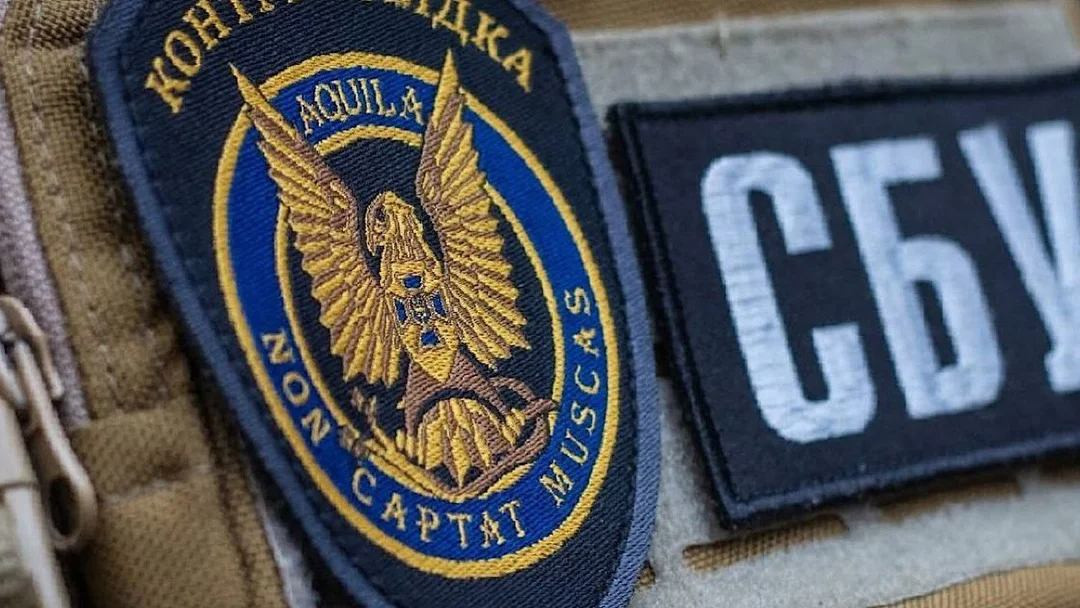
Former SBU Deputy Head Viktor Yagun addressed recent NABU investigations into fraudulent call centers, highlighting the urgent need to strip the security service of its economic oversight functions.
 ⚖️Law & Anti-corruption
Photo: Еспресо
Key points
- Viktor Yagun advocates for removing economic and organized crime units from the SBU.
- NABU exposed a massive network of 52 fraudulent call centers protected by law enforcement.
- The 'Carthage' investigation has documented hundreds of millions of hryvnias in bribes and illegal assets.
Major General (Ret.) Viktor Yagun, former Deputy Head of the Security Service of Ukraine (SBU), stated that the agency has historically operated as two parallel structures. Speaking on the 'Espreso' TV channel, Yagun explained that while some units focus on counterintelligence and national security, others have spent years handling organized crime and economic security—functions he described as a 'cancerous growth' that must be excised for the service to function properly.
Systemic Issues and the Push for Reform
According to Yagun, recent investigations into high-ranking officials demonstrate that anti-corruption mechanisms are finally being applied in practice. He argued that law enforcement and criminal procedural functions are uncharacteristic of a professional intelligence agency and hinder the SBU's transformation into a specialized combat unit within the Defense Forces. The proposed reform suggests abandoning the economic block to focus entirely on national security threats.
"Then all this waste will fall away, and the Service will finally be cleansed and become a truly combat-ready unit of the Ukrainian Defense Forces," Viktor Yagun noted.
The 'Carthage' Case and Corruption Scales
These comments come amid major investigations by NABU and SAP. In September, a criminal organization allegedly led by Serhiy Kropyva, a high-ranking official at the Prosecutor General's Office, was exposed for 'protecting' fraudulent call centers. Kropyva is currently in custody with bail set at 120 million UAH. The total documented illegal gains in this scheme have reportedly exceeded one billion UAH.
A second phase of the operation, revealed in November, identified another group of 12 individuals coordinating 52 call centers. Law enforcement officers allegedly received $7,000 per month from each center in cryptocurrency for ensuring their uninterrupted operation. Beyond fraud, the group is accused of drug trafficking and counterfeiting. The total value of documented bribes and laundered assets in this branch of the investigation is nearly 90 million UAH.
Source Еспресо — espreso.tv/suspilstvo-sluzhba-bezpeki-ukraini-zavzhdi-dililasya-na-dvi-… ↗
Read next
 🌍World
Russian negotiators plan to use AI to draft diplomatic agreements
Kirill Dmitriev announced the Kremlin's intention to use neural networks to frame and argue Russian positions in international negotiations.
 🌍World
Russia to Officially Integrate War Veterans into School Graduation Programs
The Russian Ministry of Education has issued guidelines requiring schools to include combat veterans in official graduation ceremonies by 2027.
 🇺🇦Ukraine
Holodomor Remembrance Day: When and How Ukraine Honors the Victims
Every year on the fourth Saturday of November, Ukraine commemorates the millions of victims of man-made famines organized by the Soviet regime. In 2026, this day falls on…
 🇺🇸USA
ACLU seeks court order to block Trump administration's efforts to unmask ICE critics
The American Civil Liberties Union (ACLU) has filed a lawsuit against the U.S. Department of Justice and the Department of Homeland Security, alleging abuse of the grand …
 🌍World
Taiwan holds local elections amid intense political competition
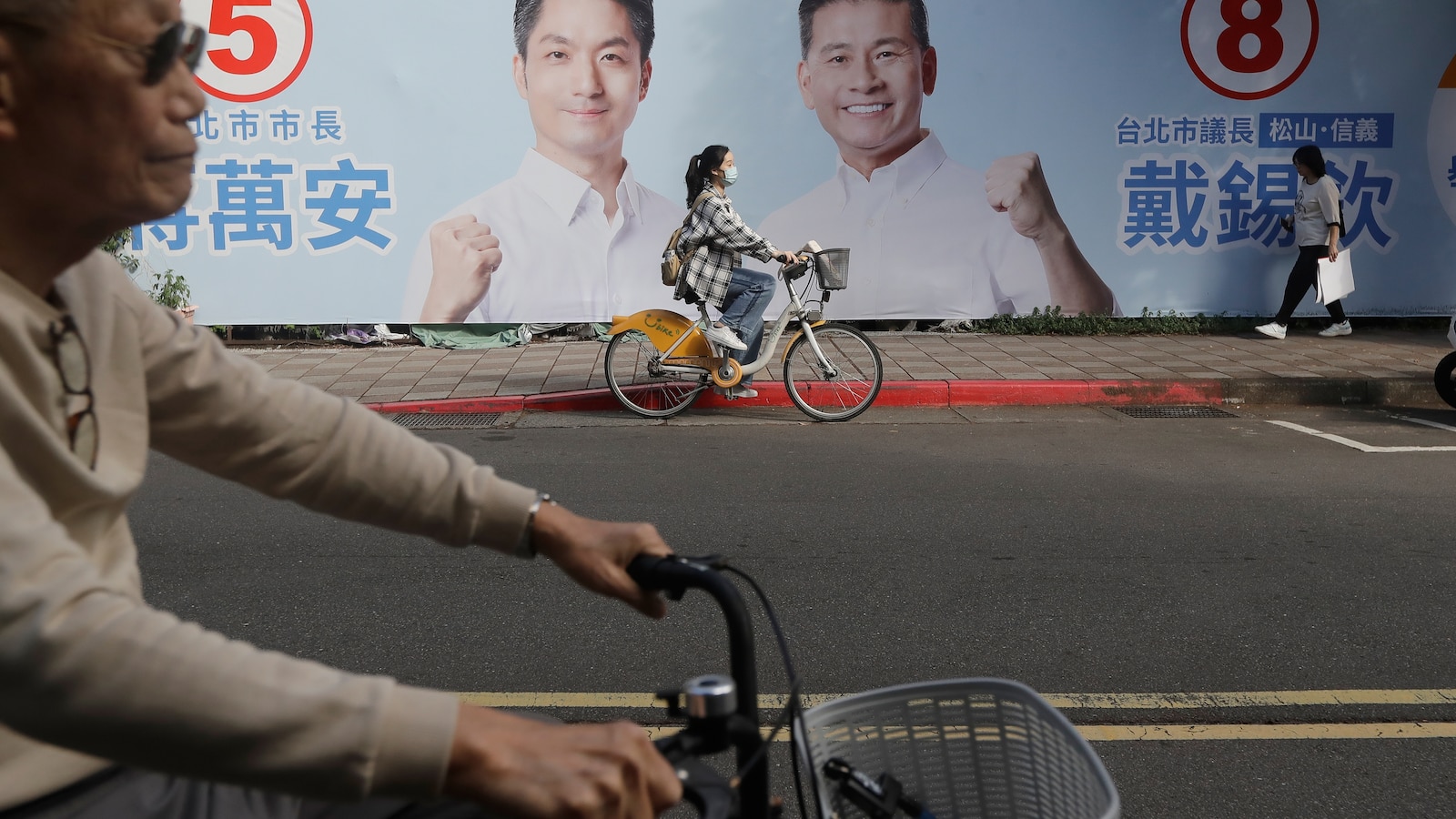
Taiwanese voters are heading to the polls to elect mayors and local council members across 22 cities and counties. The results will shape local governance for the next fo…
 🇺🇸USA
U.S. Air Force Cloud Platform Breached by Hackers
The U.S. Air Force's Cloud One platform has been breached in a cyberattack, potentially exposing sensitive military and personnel data.