Staff Shortages at Ukraine's Ministry of Justice Hinder Sanctioned Assets Confiscation — Parliament Inquiry
The Ukrainian Ministry of Justice is facing a critical staffing shortage in its asset recovery department, severely slowing down the confiscation of property from sanctioned individuals, a parliamentary inquiry revealed.
 ⚖️Law & Anti-corruption
Photo: Дзеркало тижня
Key points
- Only 10 employees actively handle sanctioned asset recovery at the Ministry of Justice
- Each recovery specialist is burdened with over 3,400 sanctioned files
- The High Anti-Corruption Court has granted 79 out of 83 ministry lawsuits
- Asset confiscation mechanisms are strictly tied to the duration of martial law
Efforts to seize assets belonging to individuals under state sanctions have run into serious administrative bottlenecks within the Ministry of Justice of Ukraine. During a meeting of the Verkhovna Rada's temporary investigative commission on economic security, lawmakers highlighted extremely sluggish progress in preparing relevant lawsuits for court, driven by an acute shortage of specialized personnel.
Personnel Deficits and Heavy Workloads
According to committee head Yaroslav Zheleznyak, only 10 staff members are actually engaged in tracking and processing the assets of sanctioned individuals. Although the Department of Sanctioned Policy officially lists 73 positions, only two divisions encompassing 23 posts deal directly with sanctions. The situation is exacerbated by high staff turnover, with eight employees—including four managers—leaving the department over the past year.
Ministry calculations indicate that each asset-tracing specialist handles over 3,400 sanctioned subjects. At this workload, processing all listed individuals would take nearly 14 years per employee, even if they handled just one case every single day.
Confiscation Pace and Wartime Legal Limits
Despite these administrative hurdles, the legal mechanism itself proves highly effective: the High Anti-Corruption Court has satisfied 79 out of 83 lawsuits filed by the Ministry of Justice. However, the rate of filing legal claims lags far behind the growing number of sanctioned individuals. While in June 2024 there were over 10,000 sanctioned persons and 52 lawsuits, by July 2026 the number of targets rose to 17,239, while lawsuits increased merely to 83.
"Every month without a lawsuit is a permanent loss for us," emphasized commission head Yaroslav Zheleznyak, drawing attention to the legal constraint allowing asset confiscation through this mechanism exclusively during martial law.
The state has already channeled billions in revenues from selling confiscated corporate rights, real estate, and vehicles into the Armed Aggression Consequences Liquidation Fund, receiving 4.51 billion hryvnias last year alone. Nevertheless, further delays threaten to leave significant portions of sanctioned assets untouched once the wartime regime expires.
Source Дзеркало тижня — zn.ua/ukr/ECONOMICS/stjahnennjam-pidsanktsijnikh-aktiviv-u-minjusti-fak… ↗
Read next
 🇺🇦Ukraine
Ukrainian defense industry produces over half of artillery shells for the front
Rheinmetall CEO Armin Papperger stated that Ukrainian facilities now manufacture more than 50% of the artillery ammunition used by the Defense Forces.
 🇺🇦Ukraine
Russian army attacks Kremenchuk with drones: casualties include children
On the evening of November 27, Russian forces launched a drone strike on Kremenchuk in the Poltava region. Four civilians were injured, including three children.
 🇪🇺Europe & EU
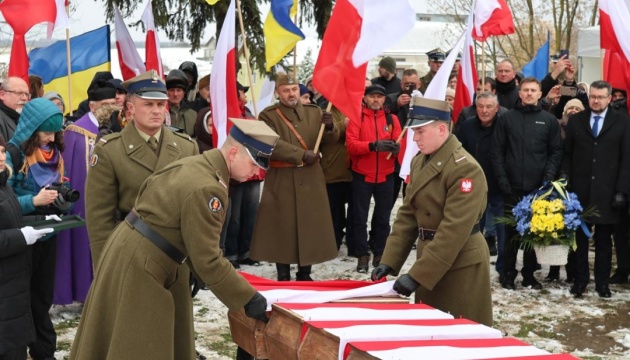
Remains of Polish Army soldiers killed in 1939 reburied in Lviv region
A ceremony was held in the Lviv region to rebury 115 Polish Army soldiers who died during the 1939 defense of Lviv.
 🇪🇺Europe & EU
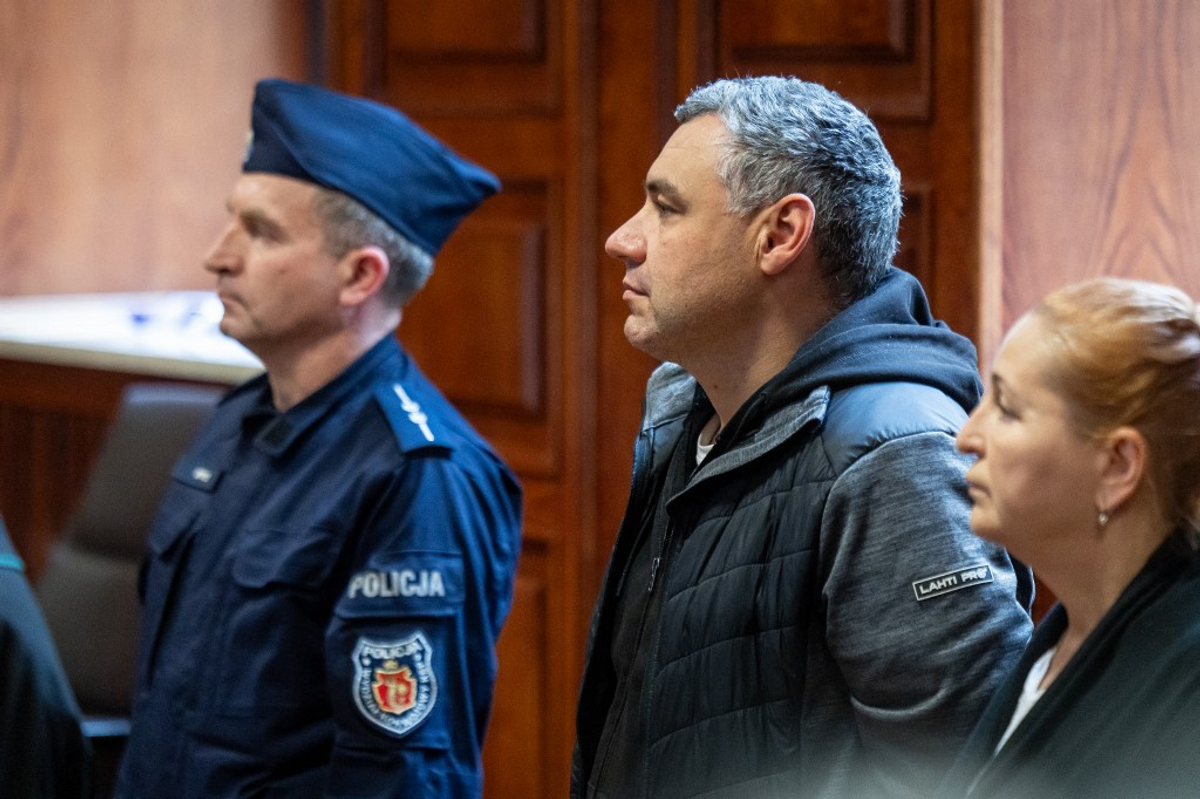
Croatian Court Overturns Extradition of Nord Stream Sabotage Suspect to Germany
Croatia’s High Criminal Court has ordered a retrial for Ukrainian diver Volodymyr Zhuravlov, who is wanted by Germany over the 2022 Nord Stream pipeline blasts.
 🛡️War & Security
General Staff: 134 combat engagements recorded on the frontline
On November 27, Russian forces conducted over 130 attacks, utilizing massive drone strikes and aerial bombardments.
 🇺🇸USA
«AI Dictators»: German media on the rising political influence of tech moguls
Leading US tech entrepreneurs are facing increasing criticism for attempting to assume state functions and influence democratic institutions.