Raiffeisen Group Between Ukraine and Russia: Sanctions, the Russian Market, and the NBU's Stance
The operations of international banking group Raiffeisen Bank International in Russia and its ties to the aggressor state have repeatedly sparked debate in Ukraine.
 ⚖️Law & Anti-corruption
Photo: Обозреватель
Key points
- Ukraine imposed sanctions on Raiffeisen-Leasing over Russian market operations.
- The NBU supported reinstating the Ukrainian Raiffeisen branch in state lending programs.
- Investigations have raised concerns over the Russian subsidiary's ties to Russia's defense sector.
The Controversy Surrounding Sanctions and the Ukrainian Subsidiary
In early 2023, Ukraine's National Security and Defense Council introduced sectoral restrictions targeting the Russian financial sector and international banks with subsidiaries in Russia. These institutions lost access to preferential crediting programs, such as '5-7-9%'. While restrictions were later lifted for most foreign banks, Raiffeisen Bank remained under partial constraints due to its parent group's ownership of the Russian company 'Raiffeisen-Leasing', which faced sanctions over its ties to Russia.
By autumn 2024, following appeals from Austria and at the request of the National Bank of Ukraine (NBU), the Ukrainian branch of Raiffeisen was reinstated in the '5-7-9%' program. Former First Deputy NBU Governor Kateryna Rozhkova emphasized that the Ukrainian subsidiary exerts no influence over decisions made by the Russian branch, yet plays a vital role in supporting the domestic economy and crediting local businesses amid the war.
Sanction Compliance and Russian Assets
Investigations by media projects such as 'Schemes' and analytics firms like Grizzly Research have frequently scrutinized the operations of Raiffeisen Bank International's Russian subsidiary. Reports have pointed to transactions linked to Russia's defense procurement and substantial tax payments made to the federal budget of the Russian Federation. Meanwhile, the Ukrainian entity maintains that it operates independently from Russian decision-making centers and aligns its internal policies with broader group compliance standards.
This situation highlights the complex dilemma of international financial groups operating simultaneously in Ukraine and Russia. Regulatory bodies continue to navigate the thin line between maintaining stability within Ukraine's banking sector and exerting pressure on multinational corporations that sustain economic ties with the aggressor state.
Source Обозреватель — obozrevatel.com/ukr/section-rozsliduvannya/news-rayffayzen-mizh-ukr… ↗
Read next
 🛡️War & Security
Russian command threatens officers with assault duty due to falsified frontline reports
Due to discrepancies between the actual situation on the Zaporizhzhia front and reports submitted to senior leadership, Russian officers are facing threats of being sent …
 🇺🇦Ukraine
Ukrainian defense industry produces over half of artillery shells for the front
Rheinmetall CEO Armin Papperger stated that Ukrainian facilities now manufacture more than 50% of the artillery ammunition used by the Defense Forces.
 🌍World
China tests new landing tactics against Taiwan: satellites spot 800-meter floating bridge
Chinese military forces conducted drills in Fujian province, testing the construction of an 800-meter floating bridge using civilian vessels to transport heavy equipment.
 🇺🇦Ukraine
Russian army attacks Kremenchuk with drones: casualties include children
On the evening of November 27, Russian forces launched a drone strike on Kremenchuk in the Poltava region. Four civilians were injured, including three children.
 🇪🇺Europe & EU
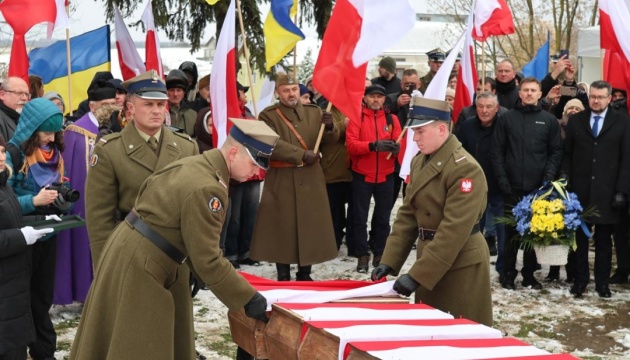
Remains of Polish Army soldiers killed in 1939 reburied in Lviv region
A ceremony was held in the Lviv region to rebury 115 Polish Army soldiers who died during the 1939 defense of Lviv.
 🇪🇺Europe & EU
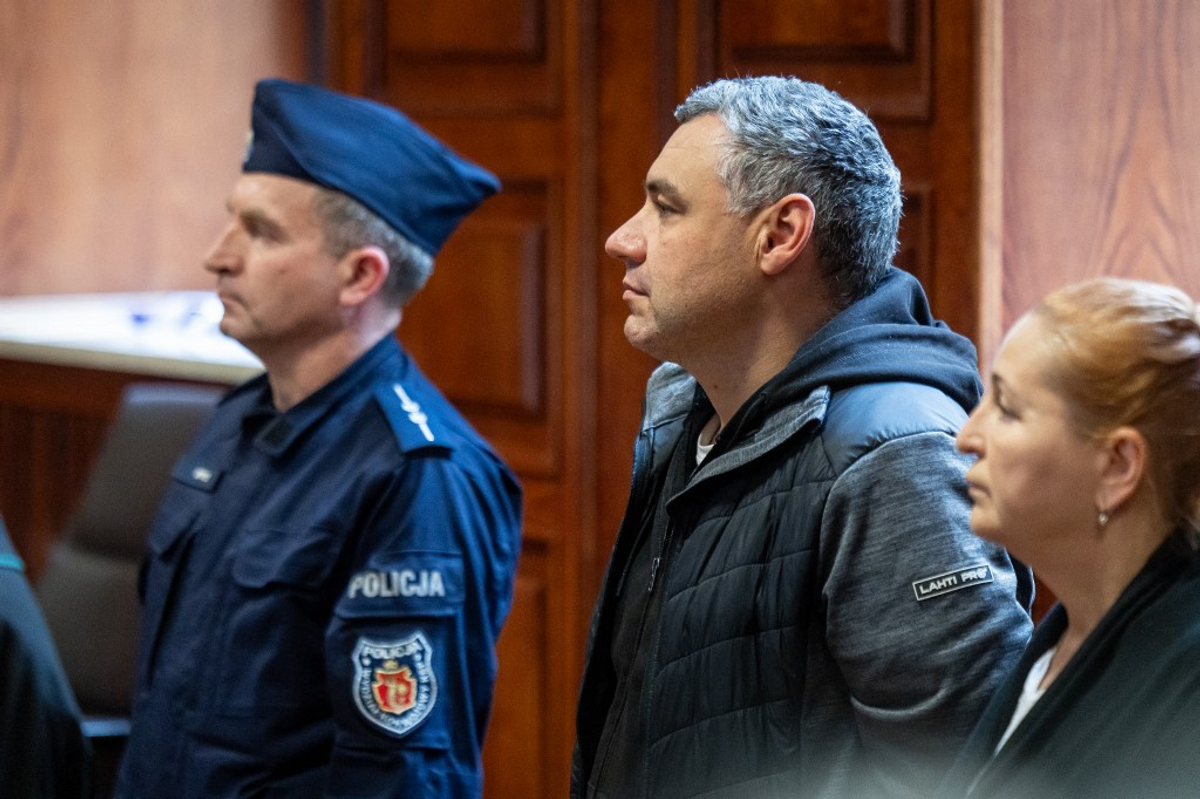
Croatian Court Overturns Extradition of Nord Stream Sabotage Suspect to Germany
Croatia’s High Criminal Court has ordered a retrial for Ukrainian diver Volodymyr Zhuravlov, who is wanted by Germany over the 2022 Nord Stream pipeline blasts.