TikTok rolls out deepfake detection tool for public figures to combat disinformation in Europe
TikTok is introducing an opt-in 'Likeness Detection' feature to help politicians and public figures identify and report unauthorized AI-generated content.
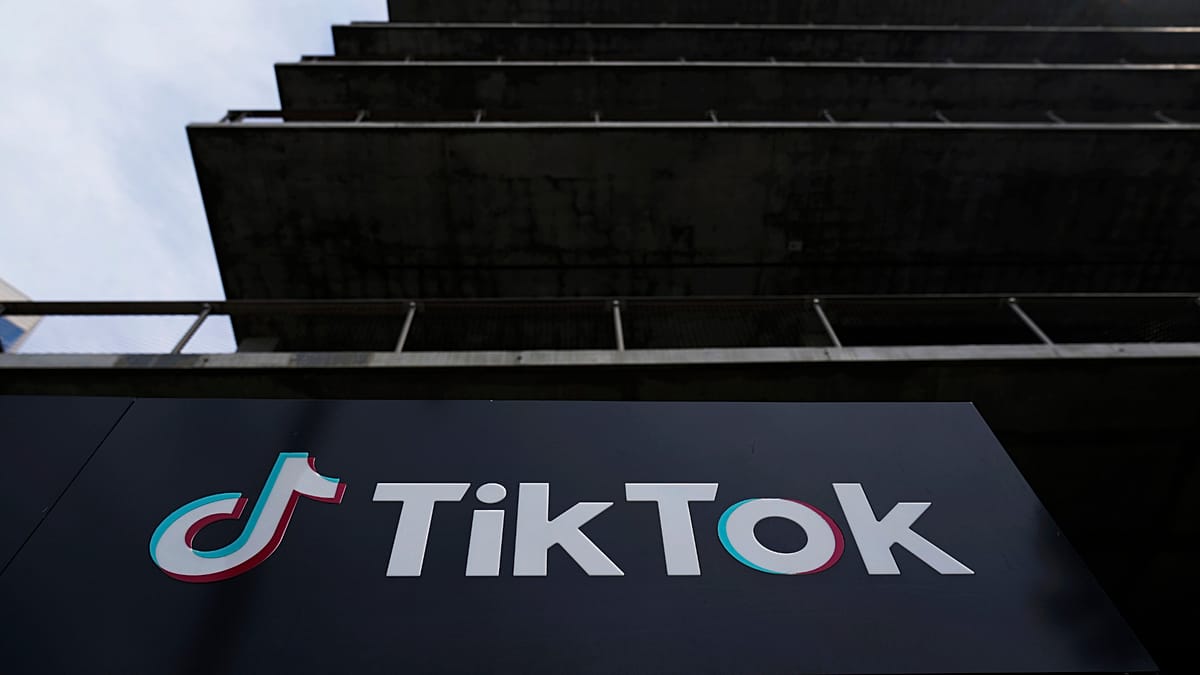 🇪🇺Europe & EU
Photo: Euronews
Key points
- TikTok introduces Likeness Detection to protect politicians from deepfakes
- Tool requires third-party identity verification before flagging content
- Deployment coincides with European elections and EU AI Act requirements
- Public tool available to check content generated via ByteDance applications
Social media platform TikTok has announced the rollout of an opt-in feature named 'Likeness Detection', designed to assist creators and public figures in spotting and flagging artificial intelligence-generated content that exploits their image without permission. The tool specifically targets government officials, politicians, and political organizations.
Eligible users can access the system by verifying their identity through a trusted third-party partner. Once authenticated, they receive notifications whenever platform content potentially mirrors their likeness, allowing them to review the material and report it directly to safety moderators.
Context of European elections and AI regulations
This security enhancement arrives as European nations grapple with a wave of AI-driven disinformation campaigns threatening electoral integrity, with multiple countries heading toward elections within the coming year. The initiative also aligns with the broader implementation of the European Union's Artificial Intelligence Act, which mandates transparency and labelling for synthetic media.
Alongside the VIP-focused feature, TikTok introduced a public verification tool enabling anyone to check whether images or videos were produced using the platform's own creative suite or parent company ByteDance's applications like CapCut and Dreamina. The system scans for embedded cryptographic metadata and invisible watermarks, though the company notes it cannot detect externally produced deepfakes.
The integration of digital watermarks and detection capabilities represents a significant step by tech corporations to self-regulate amid tightening legal frameworks. However, analysts emphasize that relying on fragmented, ecosystem-specific tools leaves gaps in the overall security architecture against sophisticated synthetic media.
Source Euronews — euronews.com/2026/11/20/tiktok-rolls-out-deepfake-detection-tool-fo… ↗
Read next
 🛡️War & Security
Russian command threatens officers with assault duty due to falsified frontline reports
Due to discrepancies between the actual situation on the Zaporizhzhia front and reports submitted to senior leadership, Russian officers are facing threats of being sent …
 ⚖️Law & Anti-corruption
Estonian Supreme Court bans smartphone voting for elections
The Estonian Supreme Court has blocked plans to introduce mobile voting apps, citing cybersecurity risks and the lack of state control over private app stores.
 🇺🇦Ukraine
Ukrainian defense industry produces over half of artillery shells for the front
Rheinmetall CEO Armin Papperger stated that Ukrainian facilities now manufacture more than 50% of the artillery ammunition used by the Defense Forces.
 🌍World
China tests new landing tactics against Taiwan: satellites spot 800-meter floating bridge
Chinese military forces conducted drills in Fujian province, testing the construction of an 800-meter floating bridge using civilian vessels to transport heavy equipment.
 🇺🇦Ukraine
Russian army attacks Kremenchuk with drones: casualties include children
On the evening of November 27, Russian forces launched a drone strike on Kremenchuk in the Poltava region. Four civilians were injured, including three children.
 ⚖️Law & Anti-corruption
NABU Director Semen Kryvonos responds to criticism over skipping parliamentary commission hearings
Semen Kryvonos explained his absence from the Verkhovna Rada's temporary investigative commission hearings by citing foreign business trips and alleged pressure on anti-c…