Ukraine's Decentralization Reform Stalls Amid Budget and Competence Gaps, EC Report Finds
The European Commission's report highlights a gap between political declarations and practice in Ukraine's decentralization, urging stronger financial autonomy for local communities.
 💶Economy & Sanctions
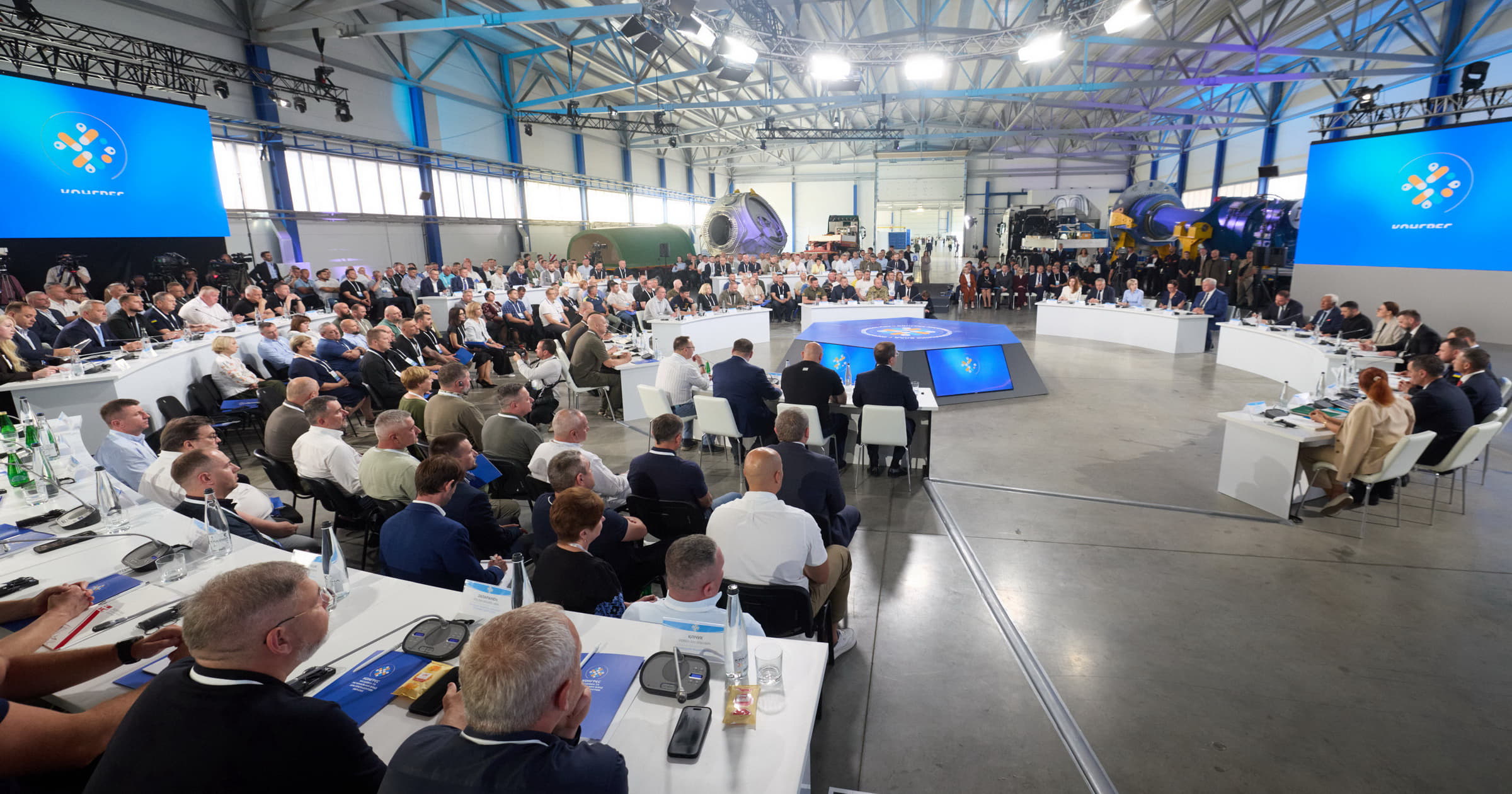
Photo: Європейська правда
Key points
- The European Commission report identifies a gap between decentralization rhetoric and practice.
- Passing the law on the division of competencies between government levels remains overdue.
- The duality of military administrations and local councils threatens community financial autonomy.
Despite the resilience of Ukraine's multi-level governance system amid the ongoing war, the decentralization reform is facing serious obstacles and slowdowns. According to the findings of a recent European Commission report, the practical implementation of the reform lags significantly behind political declarations, posing a critical challenge for the country's EU integration path.
Key Legislative Gaps in State Governance
Brussels analysts point to three main issues hindering the development of regional policy aligned with EU standards. The first obstacle is the absence of a finalized law on the division of competencies between various levels of government. A government bill registered in early 2026 passed its first reading in April but has seen no further progress since. Consequently, the multi-level governance framework remains institutionally undefined.
The second pressing issue is the financial autonomy of local communities. Although local budgets currently receive 64% of personal income tax (PIT) revenues, the European Commission stresses the need for legislative amendments to establish reliable guarantees for local financial independence. Without secure mechanisms to manage resources and independently set development priorities, local autonomy risks remaining merely formal.
Challenges of Military Administrations and the Future of Self-Governance
The European Commission also expresses concern over the coexistence of civilian local self-government bodies and military administrations (MAs), the number of which has grown over the reporting period. This institutional duality creates significant risks of duplicated functions, budgetary conflicts — such as a legal dispute in Chernihiv over the city budget — and undue interference in local resource allocation.
The third problem is the lack of a defined legal framework for restoring full civilian self-governance after martial law ends. Current legislation outlines the termination timeline for military administrations but fails to establish a transition procedure for restoring local councils, complicating both ongoing community recovery and preparations for post-war elections.
Source Європейська правда — eurointegration.com.ua/articles/2026/11/27/7250752/ ↗
Read next
 🇺🇦Ukraine
Ukrainian defense industry produces over half of artillery shells for the front
Rheinmetall CEO Armin Papperger stated that Ukrainian facilities now manufacture more than 50% of the artillery ammunition used by the Defense Forces.
 🇺🇦Ukraine
Russian army attacks Kremenchuk with drones: casualties include children
On the evening of November 27, Russian forces launched a drone strike on Kremenchuk in the Poltava region. Four civilians were injured, including three children.
 ⚖️Law & Anti-corruption
NABU Director Semen Kryvonos responds to criticism over skipping parliamentary commission hearings
Semen Kryvonos explained his absence from the Verkhovna Rada's temporary investigative commission hearings by citing foreign business trips and alleged pressure on anti-c…
 🇪🇺Europe & EU
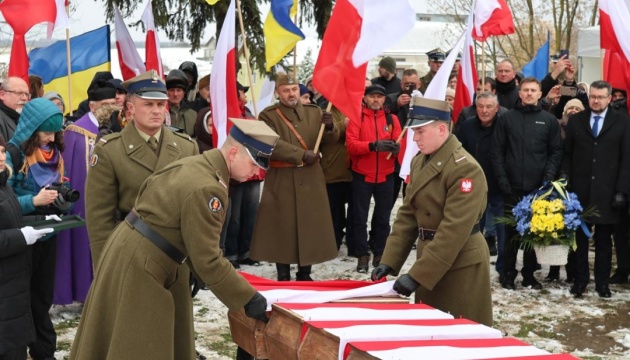
Remains of Polish Army soldiers killed in 1939 reburied in Lviv region
A ceremony was held in the Lviv region to rebury 115 Polish Army soldiers who died during the 1939 defense of Lviv.
 🇪🇺Europe & EU
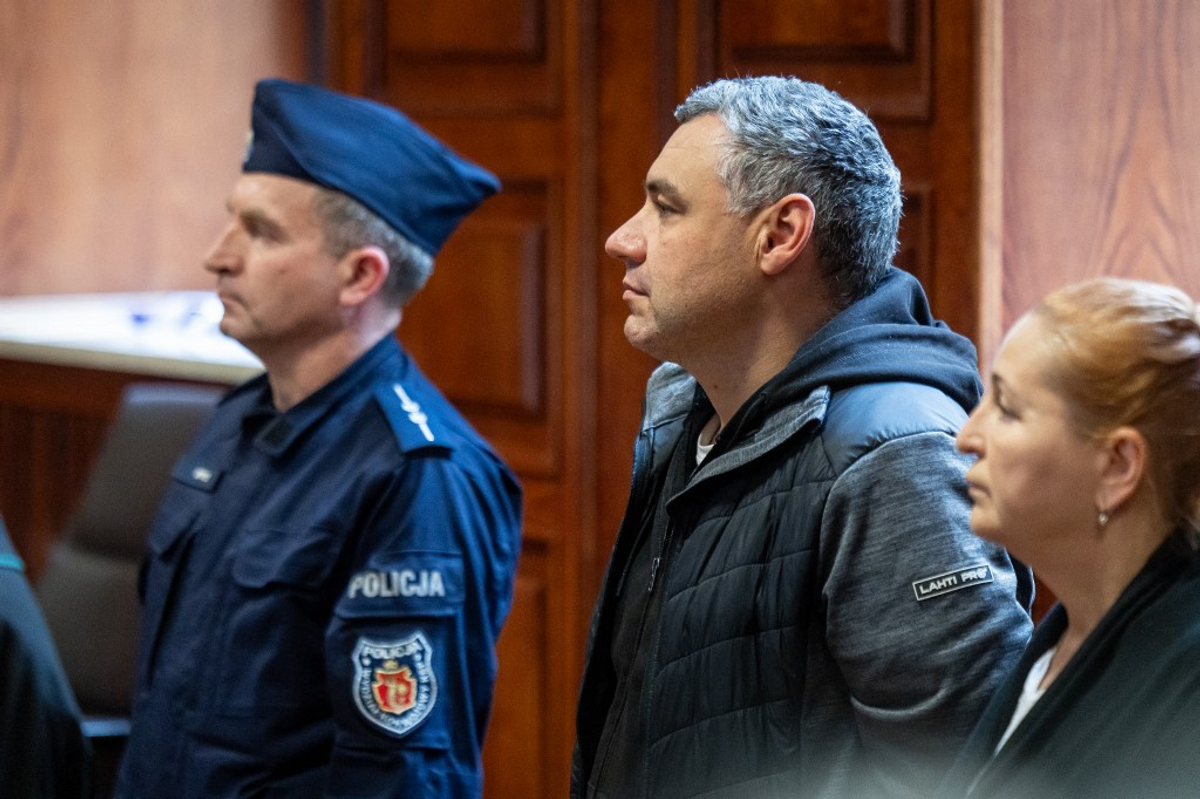
Croatian Court Overturns Extradition of Nord Stream Sabotage Suspect to Germany
Croatia’s High Criminal Court has ordered a retrial for Ukrainian diver Volodymyr Zhuravlov, who is wanted by Germany over the 2022 Nord Stream pipeline blasts.
 🛡️War & Security
General Staff: 134 combat engagements recorded on the frontline
On November 27, Russian forces conducted over 130 attacks, utilizing massive drone strikes and aerial bombardments.