Alibaba Shareholders File US Lawsuit Over Hidden Links to Nvidia Chip Sanctions Bypass
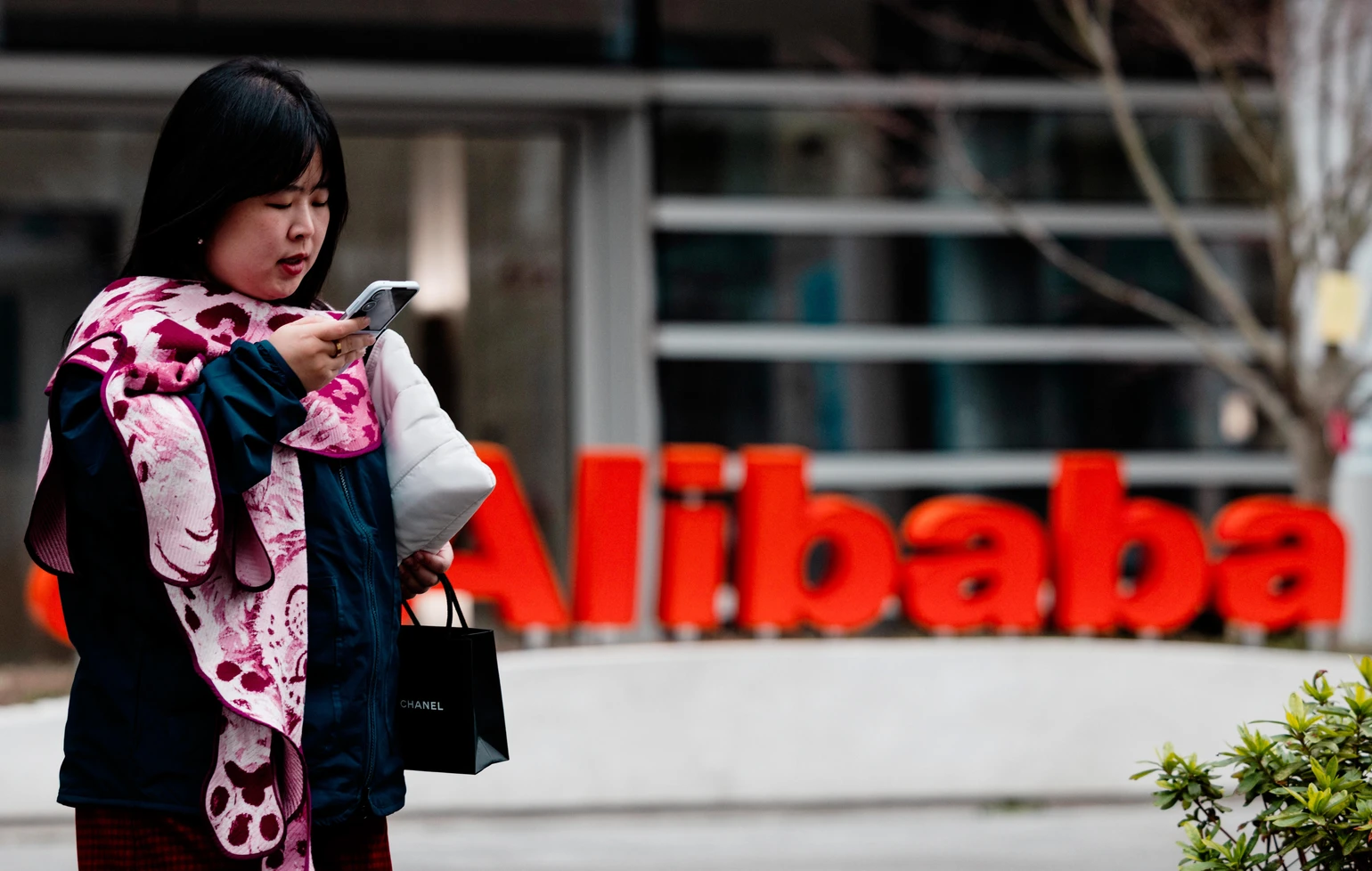
Alibaba and its CEO Eddie Wu face a class-action lawsuit in Manhattan federal court. Investors allege the company concealed export control compliance risks involving Singapore's Megaspeed and Nvidia AI chips.
 💶Economy & Sanctions
Photo: Дзеркало тижня
Key points
- Alibaba shareholders filed a class-action lawsuit in Manhattan over undisclosed US export control risks.
- Alleged illicit transfers involved 240,000 Nvidia AI chips worth $7.5 billion through Singapore-based Megaspeed.
- Nvidia halted H200 sales and remote server access for Chinese entities following CEO Jensen Huang's resignation.
A major legal battle has opened in the United States against Chinese technology giant Alibaba. Shareholder Witida Beehan filed a class-action lawsuit in a Manhattan federal court, accusing management of deliberately understating risks related to potential violations of US export control regulations. The plaintiffs are seeking undisclosed damages for artificially inflated depositary share prices.
The lawsuit names Alibaba and its Chief Executive Officer Eddie Wu as defendants. According to court filings, the company hid its close ties with Singapore-based Megaspeed in its annual financial disclosures for 2024, 2025, and 2026. Megaspeed is suspected of helping Beijing procure advanced H100 and H200 processors from Nvidia in evasion of Washington's trade restrictions. The questionable transactions involved around 240,000 AI chips valued at at least $7.5 billion.
Market Impact and Regulatory Tightening
Following media reports detailing the investigation and prospective restrictions on remote computing access, Alibaba's shares tumbled 14% over four trading days. The fallout has already prompted the resignation of Nvidia CEO Jensen Huang, while Nvidia subsequently halted all sales and leasing schemes of H200 processors to Chinese clients, including access via overseas data centers.
Despite these escalating risks and potential impacts on cloud services, Eddie Wu reiterated that Alibaba remains committed to its 2030 financial targets. The company aims to generate $100 billion in external cloud revenue with an EBITDA margin of 20%.
Meanwhile, tightened US restrictions are accelerating efforts by Chinese tech firms to transition toward domestic processors, such as Huawei's Ascend chips, to lessen reliance on Western hardware.
Source Дзеркало тижня — zn.ua/ukr/TECHNOLOGIES/investori-podali-pozov-proti-alibaba-cherez-prik… ↗
Read next
 🛡️War & Security
Russian command threatens officers with assault duty due to falsified frontline reports
Due to discrepancies between the actual situation on the Zaporizhzhia front and reports submitted to senior leadership, Russian officers are facing threats of being sent …
 ⚖️Law & Anti-corruption
Estonian Supreme Court bans smartphone voting for elections
The Estonian Supreme Court has blocked plans to introduce mobile voting apps, citing cybersecurity risks and the lack of state control over private app stores.
 🇺🇦Ukraine
Ukrainian defense industry produces over half of artillery shells for the front
Rheinmetall CEO Armin Papperger stated that Ukrainian facilities now manufacture more than 50% of the artillery ammunition used by the Defense Forces.
 🌍World
China tests new landing tactics against Taiwan: satellites spot 800-meter floating bridge
Chinese military forces conducted drills in Fujian province, testing the construction of an 800-meter floating bridge using civilian vessels to transport heavy equipment.
 🇺🇦Ukraine
Russian army attacks Kremenchuk with drones: casualties include children
On the evening of November 27, Russian forces launched a drone strike on Kremenchuk in the Poltava region. Four civilians were injured, including three children.
 ⚖️Law & Anti-corruption
NABU Director Semen Kryvonos responds to criticism over skipping parliamentary commission hearings
Semen Kryvonos explained his absence from the Verkhovna Rada's temporary investigative commission hearings by citing foreign business trips and alleged pressure on anti-c…