Russia Updates Delegation for Abu Dhabi Talks: ISW Analysis Points to Delaying Strategy
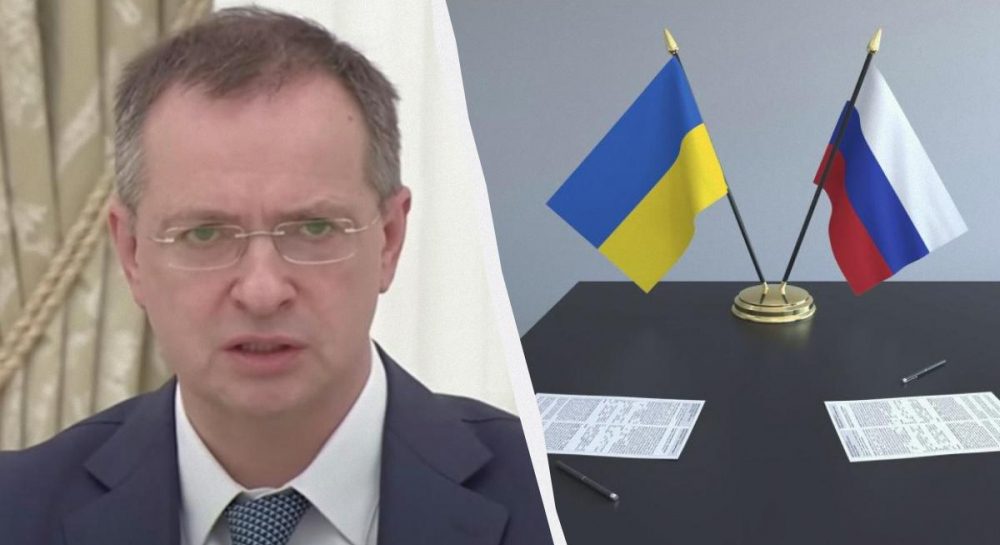
Russia has changed the composition of its delegation for trilateral talks with Ukraine and the US in Abu Dhabi, including officials known for statements indicating an unwillingness for constructive dialogue.
 🤝Diplomacy
Photo: УНІАН
Key points
- Russia updated its delegation for talks in Abu Dhabi.
- The delegation includes Vladimir Medinsky, Igor Kostyukov, Yuri Ushakov, Mikhail Galuzin, and Sergey Ryabkov.
- ISW analysts believe this indicates a strategy of delaying negotiations.
- Delegation members are known for maximalist demands and attempts to prolong dialogue.
- Ryabkov's presence may be used to devalue Ukraine's efforts for security guarantees.
Kremlin Forms Delegation for Talks with Ukraine and the US
The Russian Federation has updated the composition of its delegation set to participate in trilateral talks with Ukraine and the United States in Abu Dhabi. Analysts from the Institute for the Study of War (ISW) suggest that the selection of participants may indicate the Kremlin's further plans for the upcoming meeting.
The updated Russian delegation includes presidential aide Vladimir Medinsky, Chief of the Main Directorate of the General Staff (GRU) Admiral Igor Kostyukov, presidential aide Yuri Ushakov, as well as Deputy Foreign Ministers Mikhail Galuzin and Sergey Ryabkov.
“The fact that the Kremlin includes officials in the delegation who have previously delayed the negotiation process further indicates that Moscow remains uninterested in good-faith negotiations,” ISW analysts emphasize.
ISW notes that all these individuals have previously been involved in negotiation processes and are known for their positions that contribute to delays or the advancement of maximalist demands. Specifically, Medinsky, during talks in Geneva in February 2026, discussed the “historical roots” of the war, which was seen as an attempt to prolong the process. Ushakov has regularly voiced demands for unilateral concessions from Ukraine, while Galuzin has stressed the need to eliminate the “root causes” of the conflict. The presence of Ryabkov, known for his statements on “security guarantees” and ultimatums to NATO, may indicate the Kremlin's intention to use his experience to devalue Ukraine's efforts to obtain security guarantees.
While Bloomberg suggests that sending a higher-level delegation could indicate a readiness for more substantive talks, The Atlantic expresses skepticism. The publication believes that real progress toward ending the war is unlikely, as Vladimir Putin is interested in the negotiation process itself as a tool to deter external pressure and weaken support for Ukraine.
Source УНІАН — unian.ua/politics/peregovori-v-abu-dabi-v-isw-rozpovili-pro-rosiysk… ↗
Read next
 🌍World
Russian negotiators plan to use AI to draft diplomatic agreements
Kirill Dmitriev announced the Kremlin's intention to use neural networks to frame and argue Russian positions in international negotiations.
 🌍World
Russia to Officially Integrate War Veterans into School Graduation Programs
The Russian Ministry of Education has issued guidelines requiring schools to include combat veterans in official graduation ceremonies by 2027.
 🇺🇦Ukraine
Holodomor Remembrance Day: When and How Ukraine Honors the Victims
Every year on the fourth Saturday of November, Ukraine commemorates the millions of victims of man-made famines organized by the Soviet regime. In 2026, this day falls on…
 🇺🇸USA
ACLU seeks court order to block Trump administration's efforts to unmask ICE critics
The American Civil Liberties Union (ACLU) has filed a lawsuit against the U.S. Department of Justice and the Department of Homeland Security, alleging abuse of the grand …
 🌍World
Taiwan holds local elections amid intense political competition
Taiwanese voters are heading to the polls to elect mayors and local council members across 22 cities and counties. The results will shape local governance for the next fo…
 🇺🇸USA
U.S. Air Force Cloud Platform Breached by Hackers
The U.S. Air Force's Cloud One platform has been breached in a cyberattack, potentially exposing sensitive military and personnel data.