A 'New Yalta' or Diplomatic Maneuver? Proposed Trump-Xi-Putin Summit Stirs Global Alarm
Plans for an unprecedented trilateral meeting between the leaders of the US, China, and Russia have sparked fears of a new global division of influence, sidelining Europe and Ukraine.
 🤝Diplomacy
Photo: BBC Україна
Key points
- Consultations are underway for a Trump-Xi-Putin meeting in Shenzhen this November.
- Zelenskyy and EU leaders warn against a 'New Yalta' style division of influence.
- Conflicting priorities between Washington, Beijing, and Moscow may hinder substantive agreements.
The prospect of a historic trilateral summit involving Donald Trump, Xi Jinping, and Vladimir Putin during the APEC meeting in Shenzhen (November 18-19) has become a focal point of international diplomacy. While the Kremlin and Beijing have confirmed ongoing consultations and Trump has publicly endorsed the idea, the initiative faces significant hurdles and deep-seated skepticism from Western allies.
The Shadow of Yalta and Ukraine's Warning
In Europe and Kyiv, the proposal has drawn immediate comparisons to the 1945 Yalta Conference, where great powers carved out spheres of influence without consulting smaller nations. Ukrainian President Volodymyr Zelenskyy expressed grave concern, stating, "I would very much like it not to be a Yalta-2, 3, 4." He warned that such a meeting, if held on Moscow's terms, would represent a significant diplomatic victory for Russia.
German Chancellor Friedrich Merz echoed these sentiments, insisting that Europe must have a seat at the table. He emphasized that any security architecture or peace settlement regarding Ukraine cannot be decided without European participation. The current trilateral format, however, suggests a "big three" approach that many fear will lead to backroom deals at the expense of third parties.
Conflicting Agendas
Despite the shared interest in a meeting, the three leaders appear to have fundamentally different objectives:
- Russia: Aims to secure support for its terms to end the war in Ukraine and demonstrate that it is no longer internationally isolated.
- United States: Donald Trump has indicated a preference for discussing nuclear disarmament rather than the specifics of the Ukrainian conflict.
- China: Beijing is wary of being seen as a direct ally of Moscow in the war, fearing damage to its relations with the West. It also remains protective of its nuclear program's opacity.
Analysts point out that for China, the original Yalta is a painful historical memory of being sidelined. Furthermore, Beijing increasingly views only the United States as a true peer, potentially complicating Russia's desire for an equal seat at a new global table.
Source BBC Україна — bbc.com/ukrainian/articles/cq1kdd9pv034o?at_medium=RSS&at_campaign=… ↗
Read next
 🌍World
Russian negotiators plan to use AI to draft diplomatic agreements
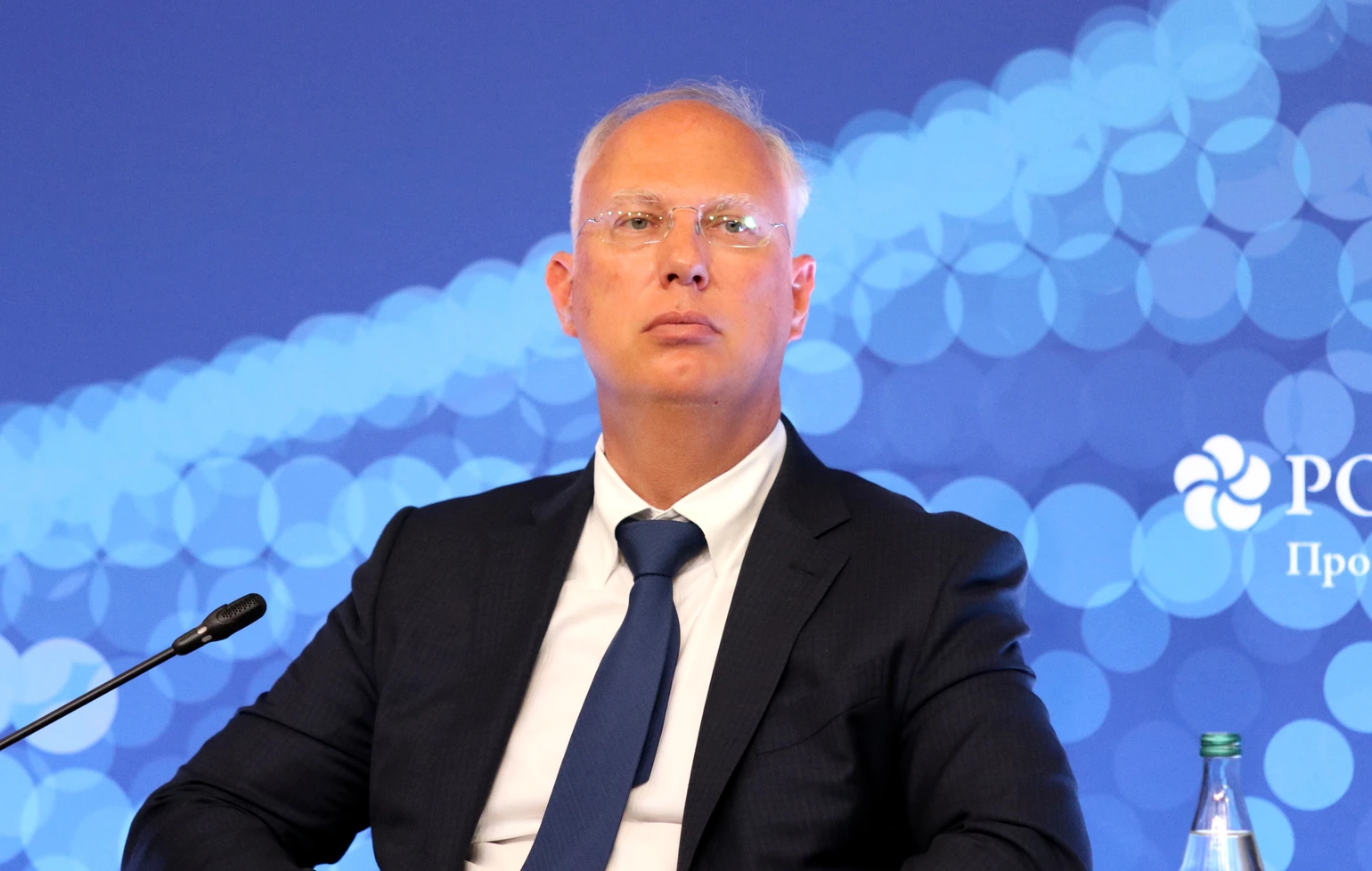
Kirill Dmitriev announced the Kremlin's intention to use neural networks to frame and argue Russian positions in international negotiations.
 🌍World
Russia to Officially Integrate War Veterans into School Graduation Programs
The Russian Ministry of Education has issued guidelines requiring schools to include combat veterans in official graduation ceremonies by 2027.
 🇺🇦Ukraine
Holodomor Remembrance Day: When and How Ukraine Honors the Victims
Every year on the fourth Saturday of November, Ukraine commemorates the millions of victims of man-made famines organized by the Soviet regime. In 2026, this day falls on…
 🇺🇸USA
ACLU seeks court order to block Trump administration's efforts to unmask ICE critics
The American Civil Liberties Union (ACLU) has filed a lawsuit against the U.S. Department of Justice and the Department of Homeland Security, alleging abuse of the grand …
 🌍World
Taiwan holds local elections amid intense political competition
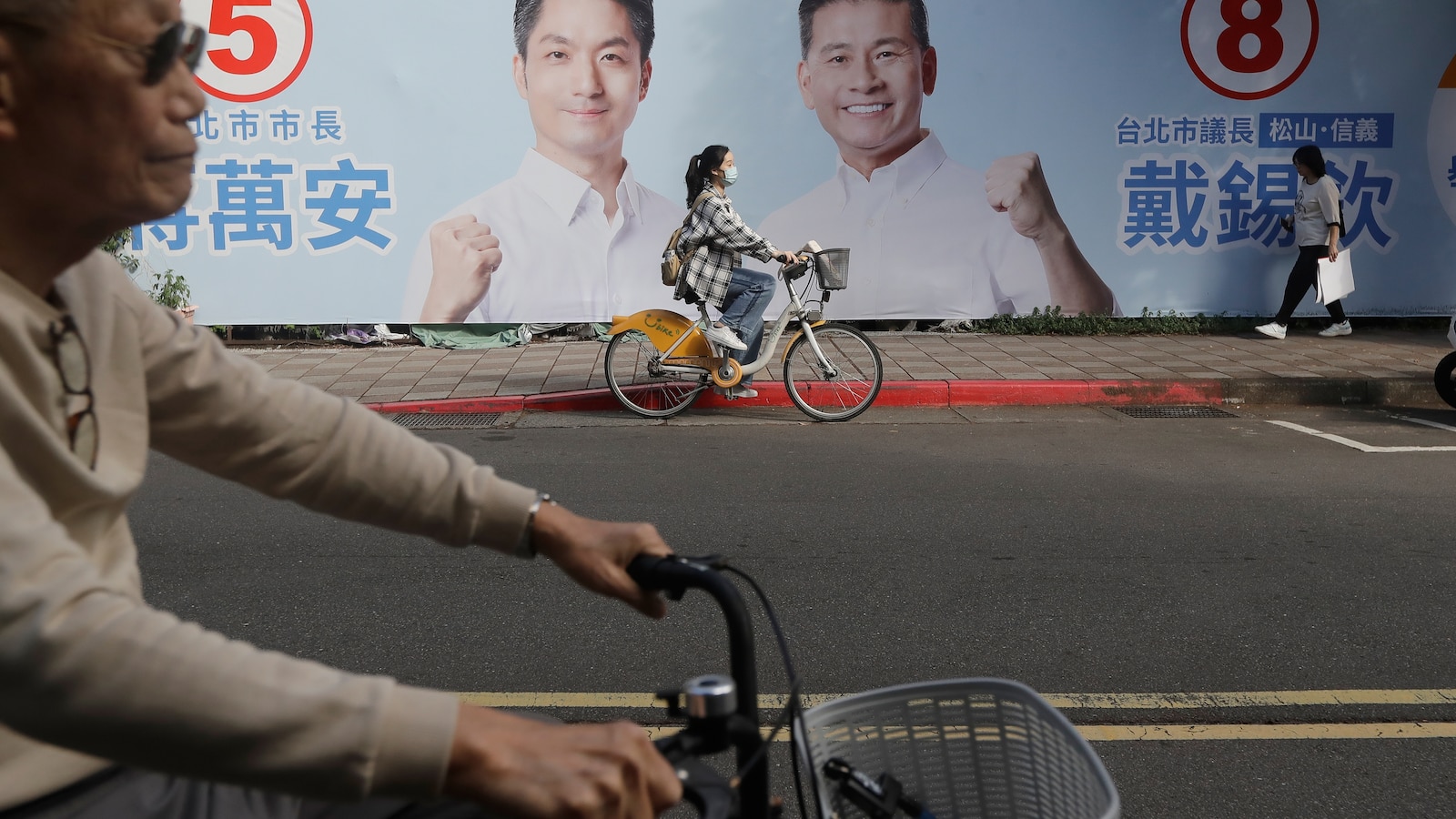
Taiwanese voters are heading to the polls to elect mayors and local council members across 22 cities and counties. The results will shape local governance for the next fo…
 🇺🇸USA
U.S. Air Force Cloud Platform Breached by Hackers
The U.S. Air Force's Cloud One platform has been breached in a cyberattack, potentially exposing sensitive military and personnel data.