Multi-Vector Threat: How Hybrid Attacks, Cyber Risks, and Air Defense Challenges Are Reshaping European Security
An in-depth analysis of key global and regional security developments: from cyber incidents in the US and Estonia to Iranian and Russian hybrid pressure, European air defense gaps, and internal information threats facing Ukraine.
Key points
- Russia and Iran are escalating hybrid and cyber operations across Europe, targeting the UK, the Netherlands, and US military clouds.
- Germany committed €20 million to boost Moldova's air defense against Russian drone intrusions.
- Hostile intelligence agents in Ukraine are posing as journalists to acquire footage of missile strike damage.
- Kyiv is building a backup emergency bus system to guarantee public transit during severe power or infrastructure disruptions.
Context: A New Phase of Hybrid and Physical Instability
The contemporary global security architecture is under sustained pressure from a blend of conventional military risks, cyber intrusion, and hybrid operations. Recent developments underscore how the boundary between internal stability and international security has effectively dissolved. While Europe faces airspace incursions and state-sponsored hybrid campaigns, Ukraine is forced to simultaneously counter cyber and disinformation operations, secure critical infrastructure, and manage delicate diplomatic alignment with allies.
Who is Who: Key Players and Tension Hotspots
Current developments highlight several strategic actors and alliance dynamics:
- Ukraine and NATO Allies: Ukrainian Foreign Minister Andrii Sybiha warned that delays in security assistance to Kyiv will ultimately force European nations to spend significantly more on their own defense. Concurrently, diplomatic friction has emerged, such as complex talks between President Volodymyr Zelenskyy and Italian Prime Minister Giorgia Meloni following uncoordinated operations by Ukrainian forces in the Mediterranean.
- NATO's Eastern Flank: Romanian Foreign Minister Dan Neculaescu urged NATO to establish a unified response mechanism against Russian hybrid threats in the Black Sea region. Meanwhile, Polish authorities clarified their response policy regarding Russian missiles entering Polish airspace, citing debris collision risks while consulting NATO on revised engagement tactics. Germany granted €20 million to Moldova for airspace surveillance and air defense systems following repeated Russian drone incursions.
- Hybrid Aggressors: Analysts at the International Institute for Strategic Studies (IISS) documented a surge in Iranian hybrid activities targeting the UK and the Netherlands, while Russia maintains its multi-layered pressure against European state stability.
- Indo-Pacific Axis: Taiwan is preparing for a referendum on nuclear power, balancing energy demands for its microchip industry against vulnerability to potential Chinese naval blockades.
Cybersecurity and Information Warfare
Technological vulnerabilities remain a central vectors of instability. A cyber incident targeting the US Air Force's Cloud One platform exposed risks to sensitive defense data. In Europe, Estonia's Supreme Court blocked plans to implement smartphone voting, citing cybersecurity risks and reliance on private technology vendors.
Inside Ukraine, intelligence collection has taken covert forms. According to the Ukrainian Center for Security and Cooperation, Russia is actively fanning narratives of 'total betrayal' to induce social polarization. Concurrently, hostile actors are posing as journalists and think-tank researchers to solicit photos and videos of strike locations from citizens.
Impact on Ukraine and Emergency Readiness
For Ukraine, these dynamics mandate stricter information hygiene and infrastructure adaptation. Addressing critical infrastructure risks, President Zelenskyy announced plans for a free emergency bus transit network in Kyiv to replace standard public transit during crisis situations.
What is Known vs. What Remains Unknown
What is known: Germany is funding Moldova's airspace radar defense; Estonia halted smartphone voting over cyber risks; threat actors are impersonating media personnel to collect damage data; Poland is negotiating updated airspace engagement rules with NATO.
What remains unknown: The full severity of data compromise from the US Cloud One breach; the exact operational parameters of NATO's upcoming posture on missile interception over Eastern Europe; the resolution details of recent Kyiv-Rome diplomatic discussions.
Possible Scenarios
- Optimistic Scenario: NATO establishes explicit protocols for hybrid defense and airspace violations, accompanied by accelerated military aid deliveries to Ukraine.
- Skeptic Scenario: Escalate hybrid operations by Russia and Iran strain European defense resources, leading to fragmented decision-making and delayed assistance.
Frequently Asked Questions (FAQ)
Why does Poland not automatically shoot down Russian missiles near its border?
Polish officials cite significant risks from falling missile debris in populated areas and are coordinating with NATO for a unified operational framework.
How can citizens protect against fake journalists gathering strike data?
Avoid sharing media files of damaged sites with unverified accounts or channels, verify press credentials, and rely exclusively on official state communications.
Why did Estonia block smartphone voting?
The Estonian Supreme Court ruled that mobile voting introduces unacceptably high cybersecurity risks and dangerous dependence on private tech corporations.
Read next
 🛡️War & Security
Ukraine expands strike range against Russian infrastructure: drones reach the Arctic
Ukrainian forces have significantly increased the range and intensity of strikes on Russian oil and military targets, despite calls for restraint from Washington.
 🌍World
Political crisis in Israel: Netanyahu proposes power-sharing deal to rival
Israeli Prime Minister Benjamin Netanyahu has offered his rival Gadi Eisenkot a rotation deal for the premiership as he struggles to secure a parliamentary majority.
 🇺🇦Ukraine
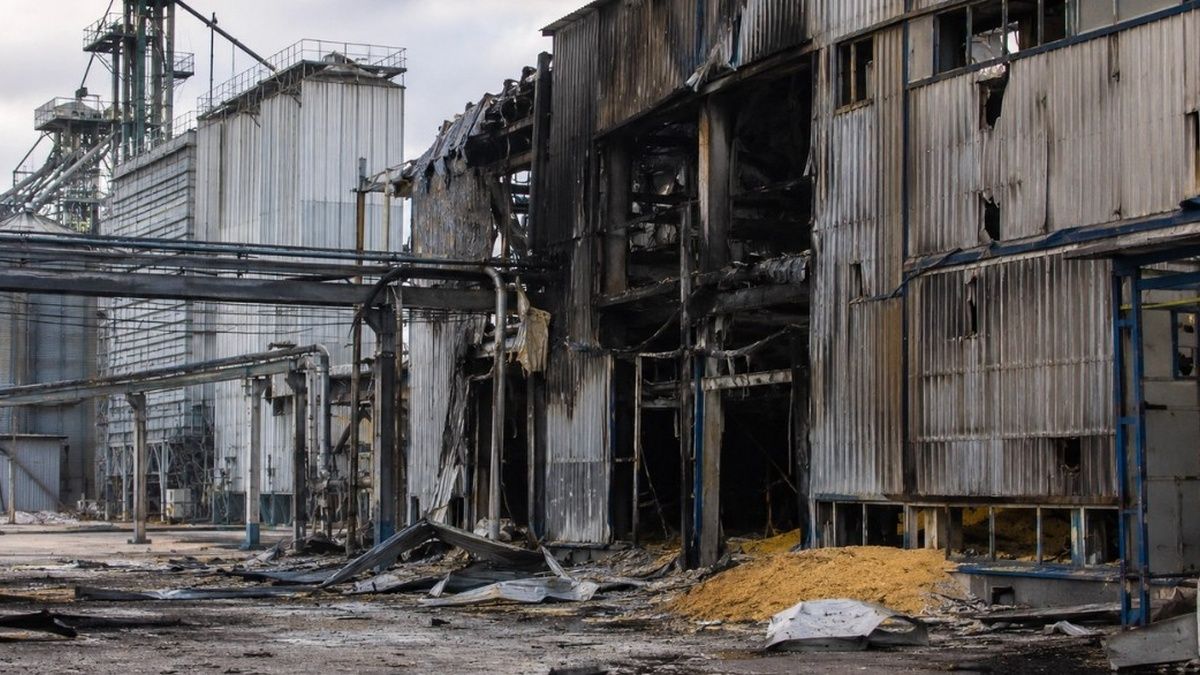
Ministry of Defense: Russia Intensifies Attacks on Ukrainian Food Infrastructure
Since the beginning of 2026, there have been 62 targeted strikes on food processing plants and warehouses, signaling a strategy of pressure on the civilian sector.
 🌍World
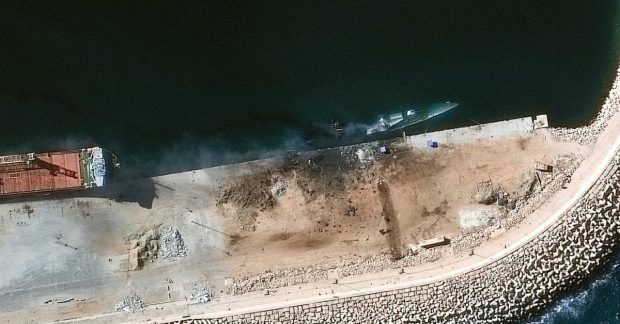
Russian Corvette Hit Near Libya: Experts Point to Coordinated Western Allied Action
Military analyst Dmitry Snegirev claims a coordinated operation against the Russian fleet in Africa aims to limit Moscow's regional influence.
 🇺🇸USA
Trump Administration Plans to Mandate 'Super Intelligence' Terminology
President Donald Trump is pushing for the mandatory use of the term 'Super Intelligence' (SI) instead of 'Artificial Intelligence' (AI) for public companies via the SEC.
 🇪🇺Europe & EU
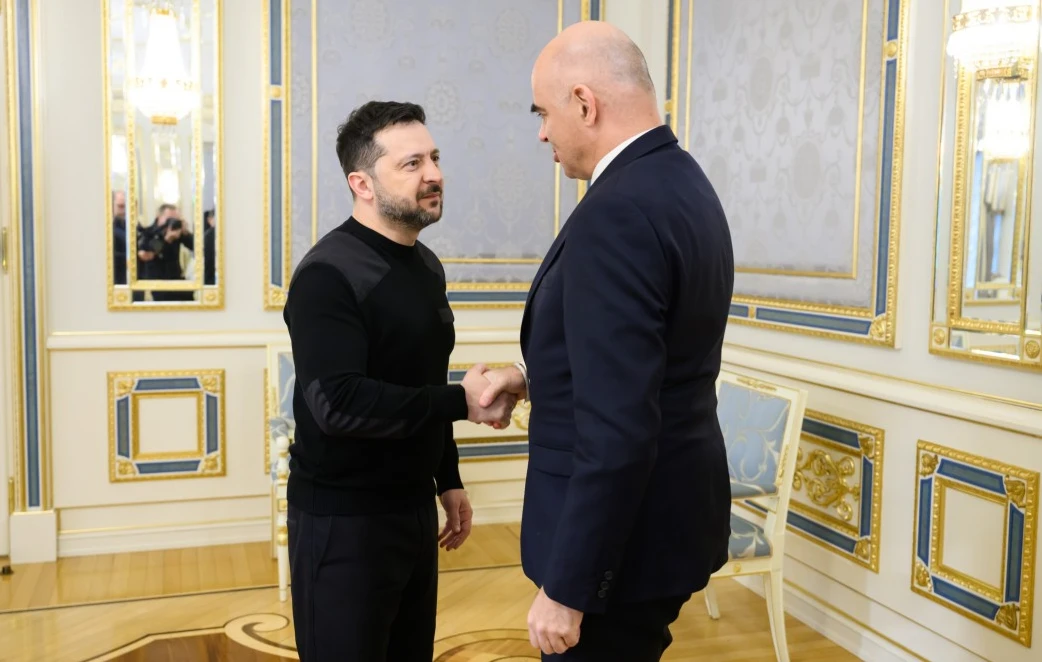
Council of Europe Secretary General Alain Berset discusses Special Tribunal for Russia in Kyiv
President Volodymyr Zelenskyy met with Alain Berset to discuss holding Russia accountable and the new Council of Europe Action Plan for Ukraine.