Russia's Winter Pressure and Ukraine's Response: Frontline, Energy, Drones, and Diplomacy
An analysis of the current phase of the war: why Russia's winter offensive is stalling, how Ukraine strikes Russian military-industrial targets, and the diplomatic challenges facing Kyiv.
Key points
- Russian winter assaults face setbacks due to severe weather and heavy attrition.
- Ukrainian drones struck a Russian chemical plant producing solid rocket fuel components.
- President Zelenskyy criticized U.S. air defense delivery delays amid threats of new attacks.
The situation surrounding the Russo-Ukrainian war is entering a complex winter phase marked by high-intensity combat along the frontline, massive air strikes against Ukraine's civilian and energy infrastructure, and diplomatic turbulence abroad. Amid warnings of imminent large-scale Russian missile attacks, Ukrainian Defense Forces are not only holding positions but also conducting precision strikes against strategic infrastructure deep inside Russian territory.
The Frontline: Weather Impact and Winter Assaults
According to the National Guard of Ukraine, Russian forces face severe operational difficulties conducting offensive actions during winter weather. Adverse weather conditions combined with effective defensive measures by Ukrainian units have led to high adversary casualties without significant territorial gains. Daily enemy losses recently exceeded 2,200 personnel, underscoring the heavy toll paid by the aggressor in attempting to exhaust Ukrainian defenses.
Air Strikes and Energy Infrastructure Vulnerability
Russia continues to target Ukraine's energy grid and civilian facilities. Recent attacks using jet-powered UAVs against Kryvyi Rih, a mass strike involving 155 attack drones, and strikes on enterprises in the Zhytomyr region (resulting in one fatality and two injuries) reflect a continued effort to destabilize the Ukrainian rear. Energy supply challenges are particularly acute in the Dnipropetrovsk region, where the government is dispatching high-capacity diesel generators to support critical infrastructure. President Volodymyr Zelenskyy specifically warned of preparations for another massive Russian strike, emphasizing that retaliation is inevitable.
Strikes on Russian Military-Industrial Base and NATO Escalation
Ukraine is expanding its deep-strike capabilities targeting Russia's defense industrial network. An overnight drone attack targeted the Yefremov Synthetic Rubber Plant in Russia, a facility involved in manufacturing solid missile propellant for tactical and ballistic missiles. Concurrently, the operational reach of Russian drone attacks has drawn responses from NATO allies: Estonia scrambled NATO jets due to airspace security threats, demonstrating that security risks affect the entire Eastern Flank.
Diplomatic Dynamics and International Support
International developments show contrasting trends. The World Congress of Ukrainians reported significant achievements in fundraising for the Armed Forces, supporting energy resilience, and advocating for the return of deported children. Conversely, President Zelenskyy voiced strong concern over delays in U.S. air defense deliveries and insufficient pressure on Moscow regarding peace negotiations. Diplomatic efforts are further complicated by political rhetoric in Western nations, such as statements by German AfD co-leader Alice Weidel echoing Russian narratives on territorial concessions.
What Is Known and What Remains Unknown
Known: Russian forces are sustaining heavy daily personnel losses; Ukrainian energy infrastructure remains under constant aerial threat; Ukraine possesses the capability to strike key Russian defense facilities.
Unknown: The exact timing and scale of predicted upcoming Russian missile salvos; delivery timelines for additional Western air defense systems; the direction of future U.S.-led diplomatic initiatives.
Potential Scenarios
- Accelerated Air Defense Deliveries: Partner nations may expedite deliveries of air defense systems under public pressure and escalating infrastructure threats.
- Intensified Long-Range Exchange: Continued mutual long-range strikes against Ukrainian energy assets and Russian defense industry sites.
- Frontline Stabilization: Potential transition of Russian offensive forces toward positional defense due to weather and attrition.
Frequently Asked Questions (FAQ)
1. Why are Russian winter assaults struggling to advance?
Adverse winter weather, high attrition rates, and effective defensive fire from Ukrainian forces have severely hindered offensive momentum.
2. Why is the strike on the Yefremov plant significant?
The plant produces materials used in solid rocket propellant for ballistic and tactical missiles employed against Ukrainian targets.
3. Why is Ukraine urging faster U.S. support for air defense?
Delays in air defense supply lines leave critical energy infrastructure and civilian centers exposed to ongoing combined missile and drone strikes.
Read next
 🇺🇦Ukraine
Ukrainian defense industry produces over half of artillery shells for the front
Rheinmetall CEO Armin Papperger stated that Ukrainian facilities now manufacture more than 50% of the artillery ammunition used by the Defense Forces.
 🇺🇦Ukraine
Russian army attacks Kremenchuk with drones: casualties include children
On the evening of November 27, Russian forces launched a drone strike on Kremenchuk in the Poltava region. Four civilians were injured, including three children.
 ⚖️Law & Anti-corruption
NABU Director Semen Kryvonos responds to criticism over skipping parliamentary commission hearings
Semen Kryvonos explained his absence from the Verkhovna Rada's temporary investigative commission hearings by citing foreign business trips and alleged pressure on anti-c…
 🇪🇺Europe & EU
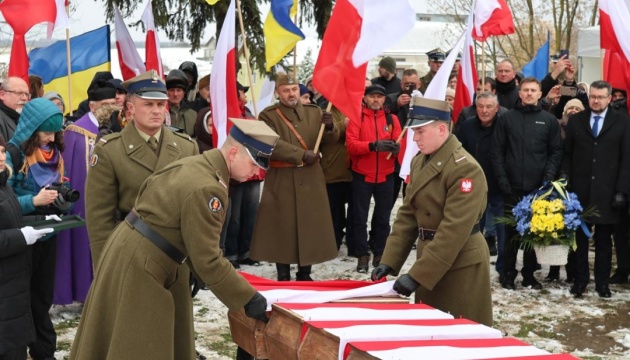
Remains of Polish Army soldiers killed in 1939 reburied in Lviv region
A ceremony was held in the Lviv region to rebury 115 Polish Army soldiers who died during the 1939 defense of Lviv.
 🇪🇺Europe & EU
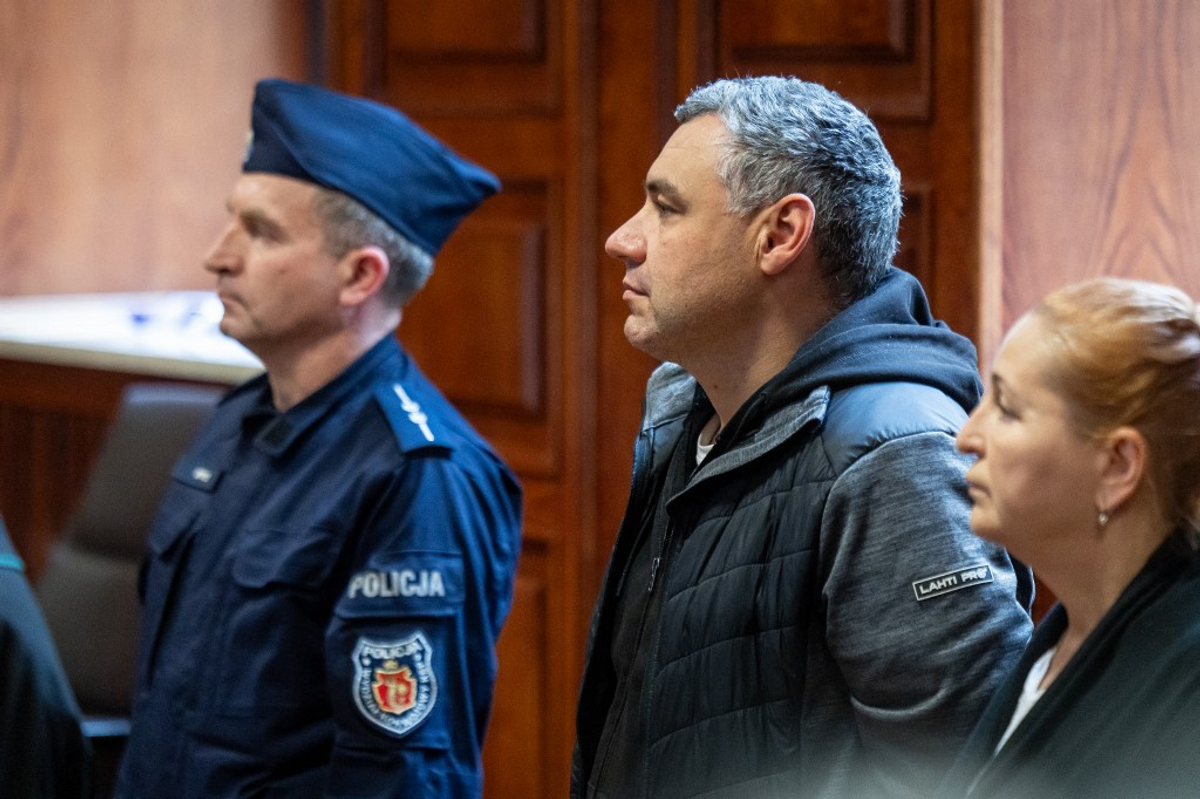
Croatian Court Overturns Extradition of Nord Stream Sabotage Suspect to Germany
Croatia’s High Criminal Court has ordered a retrial for Ukrainian diver Volodymyr Zhuravlov, who is wanted by Germany over the 2022 Nord Stream pipeline blasts.
 🛡️War & Security
General Staff: 134 combat engagements recorded on the frontline
On November 27, Russian forces conducted over 130 attacks, utilizing massive drone strikes and aerial bombardments.